Pakistan's int'l departures fall nearly 50% amid regional unrest
Gallup data shows int'l departures dropped from 1,127 flights between Feb 1-10 to just 572 flights during March 1-10
Published March 19, 2026
- Analysts attribute sudden drop primarily to airspace disruptions.
- Restrictions across Iranian and Gulf airspace force airlines to cancel flights.
- Pakistan’s aviation network relies heavily on Mideast transit corridors.
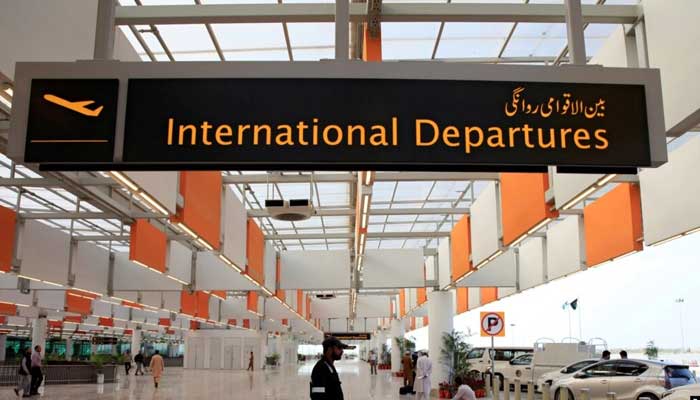
The international aviation sector in the country has witnessed a significant drop in outbound traffic in early March, with departures declining by nearly half amid rising regional tensions linked to the Iran conflict, The News reported on Thursday.
According to data released by Gallup Pakistan Digital Analytics, international departures dropped from 1,127 flights between February 1 and February 10 to just 572 flights during March 1-10. The contraction represents one of the steepest short-term declines in recent aviation activity.
Analysts attribute the sudden drop primarily to widespread airspace disruptions following heightened geopolitical instability in late February. Restrictions across Iranian and parts of Gulf airspace forced airlines to cancel flights, reroute operations and reduce frequencies, significantly affecting Pakistan’s outbound connectivity.
Pakistan’s aviation network is heavily dependent on Middle Eastern transit corridors, making it particularly vulnerable to such disruptions. As a result, even short-term instability in the region has had an immediate impact on flight volumes.
The data also points to a shift in travel patterns. While February saw a broader distribution of outbound travel to Gulf hubs such as Dubai and Jeddah, March traffic became more concentrated towards Saudi destinations, including Jeddah and Riyadh. This suggests that essential and religious travel continued, while non-essential trips declined sharply.
Experts say the development highlights the sensitivity of Pakistan’s aviation sector to external shocks, especially geopolitical crises affecting key transit routes.
The findings are based on comparative analysis of international departure data for the periods February 1-10 and March 1-10, 2026, from the Gallup Pakistan Digital Analytics Aviation Dashboard.