Global fuels crisis worsens as Strait of Hormuz disruption persists
Loss of 20m barrels per day from ME producers sending shockwaves through economies and supply chains
Published March 25, 2026
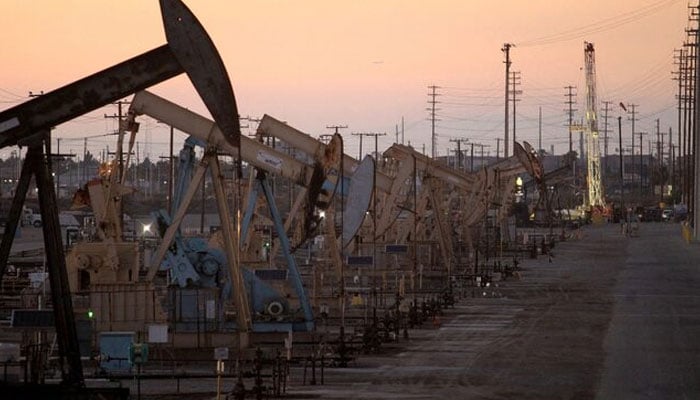
- Emergency measures fail to cover 20m barrels per day supply loss.
- Supply shortages may hit Europe in April, Asia already hit, warn officials.
- Airlines and fertiliser producers brace for rising costs.
HOUSTON: The global energy crisis is intensifying as disruptions to oil flows through the Strait of Hormuz continue, leaving markets reeling and pushing prices for fuel, fertilisers and petrochemicals to record highs, executives and oil ministers said on Tuesday.
Executives and energy ministers warned that emergency measures by governments worldwide have so far failed to close the massive shortfall in oil and gas supply caused by the ongoing US–Israeli conflict with Iran.
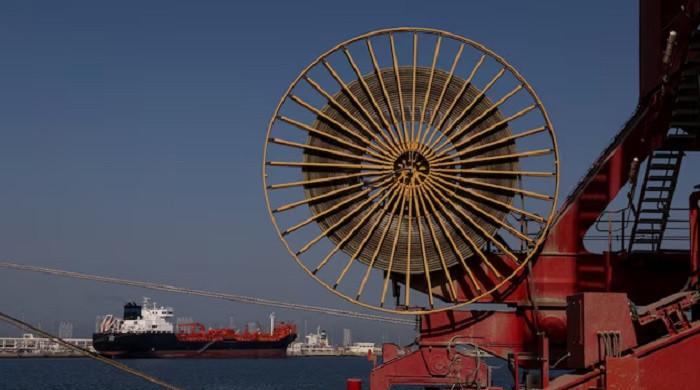
Costs for energy, fertilisers and petrochemicals are soaring as the world is losing as much as 20 million barrels of oil per day from Middle East producers due to Iran’s effective closure of the shipping chokepoint of the Strait of Hormuz. The impact of the reduction of a fifth of global oil and gas supplies has quickly spread through economies and supply chains.
United Airlines on Tuesday said it may have to raise ticket prices by up to 20%. The Philippines declared a national energy emergency. The acute energy supply shock now hitting Asia, the region most heavily reliant on Middle East supplies, will spread to Europe in April, oil executives and energy ministers said this week at the annual CERAWeek conference in Houston, the US energy capital.
In Asia, countries are taking measures to reduce energy consumption, including implementing four-day work weeks and asking citizens to limit travel and use stairs rather than lifts.
Governments around the world are releasing a record 400 million barrels of oil from strategic reserves into the market, and the US has waived sanctions on some Iranian and Russian oil so refiners short of supplies can buy it.
“These are not even stopgap measures,” Sheikh Nawaf Al-Sabah, CEO of Kuwait Petroleum Corp, said on Tuesday.
Kuwait was producing some 2.6 million barrels per day of oil before the war and has had to reduce production and halt deliveries to refiners that buy its crude.
Saudi Arabia and the United Arab Emirates have kept some exports flowing from pipelines that bypass the Strait of Hormuz. But those exports, as well as the other emergency measures, do not come close to covering the supply disruption, Al-Sabah said.
All told, the emergency measures were not even a “drop in the proverbial barrel,” he said.
Coordinated releases from strategic reserves were not enough to fix supply shortages, said Takehiko Matsuo, Japan’s Vice Minister for International Affairs. His country is contributing some 80 million barrels to the strategic stock release coordinated by the International Energy Agency. Japan has roughly three weeks of gas in storage, he said.
Supply shortages could hit Europe in April if the war continues, German economy minister Katherina Reiche and Shell CEO Wael Sawan both said.
“We are trying to work with governments to just alert them to the various levers they will need to pull, including on the demand side, including what they need to do around storage, what they need to do around purchasing,” Sawan said.
Lack of preparation has exacerbated the challenges for Europe and other parts of the world, he added.
“The problem is we are more in reaction mode,” said Sawan. “The best energy strategies are the strategies that actually look five, 10 years out and build resilience from now.”
It would be difficult for operators in the US, the largest oil-producing nation, to lift output in a meaningful way until 2027 regardless of prices, ConocoPhillips CEO Ryan Lance said.
US producers are executing spending plans they laid out earlier this year and cannot easily adjust them, Lance said.
The US is also the world’s largest producer of liquefied natural gas. But US LNG producers cannot compensate for the supply shortfall from the Middle East because they are already at maximum output, said Matt Schatzman, CEO of US LNG producer NextDecade.
“None of this is going to be solved overnight,” he said. “This is a bad situation. You don’t think we would go faster if we could?”