New electricity tariff plan on the cards for industrial consumers
Under proposed framework, industrial consumers will have flexibility to opt into multi-slab tariff structure, says ministry
Published March 25, 2026
- Leghari proposes tariff reform to improve electricity efficiency.
- New tariff allows multi-slab pricing based on time-of-use.
- Tariff plan aims to improve system load factor and efficiency.
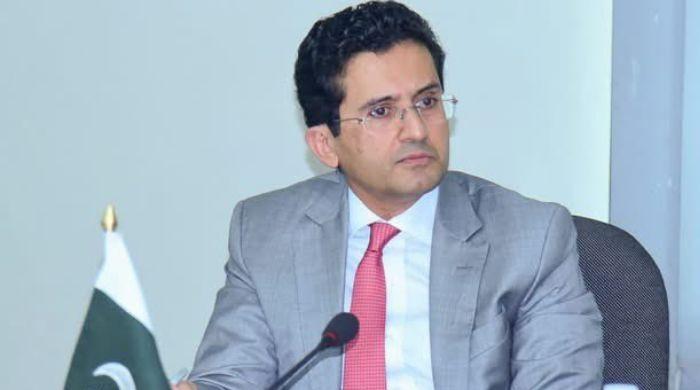
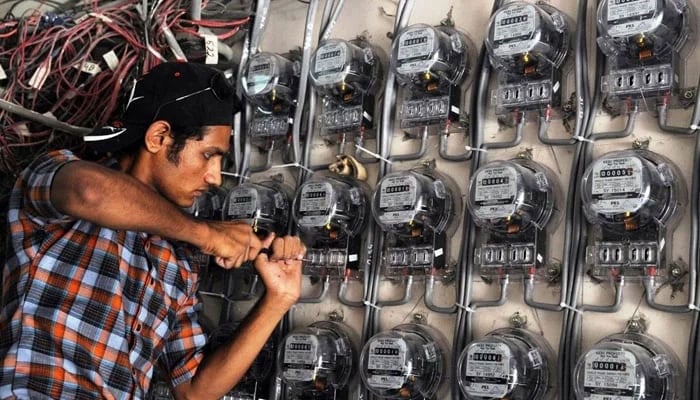
Under a special initiative of the Federal Minister for Power Division and Energy Awais Ahmed Khan Leghari, the ministry is considering introducing an optional tariff mechanism to support industrial consumers and improve efficiency in electricity use.
According to a press release issued by the Ministry of Energy, several internal consultative and technical meetings have already been undertaken by the minister in this regard.
Under this proposed framework, industrial consumers will have the flexibility to opt into a multi-slab tariff structure, where energy pricing is based on average marginal cost signals across defined time-of-use slabs. This approach is designed to better reflect the actual cost of electricity supply during different periods.
The tariff will consist of two primary components: fixed charges based on Maximum Demand Indicators (MDI), which are expected to be relatively higher.
"This will incentivise consumers to optimise and reduce their peak demand and variable energy charges, significantly rationalise and align closer to actual energy costs, enabling more cost-reflective pricing," the statement added.
It further said: "This structure is expected to deliver the following benefits: encourage efficient load management by allowing industries to align their operations with lower-cost time periods, promote higher electricity consumption during off-peak hours, and improve system load factor."
Incentivise peak demand reduction, thereby reducing stress on the grid and minimising the need for costly capacity additions. Support industrial productivity and competitiveness through more predictable and potentially lower energy costs.
Overall, this tariff reform is expected to act as a catalyst for sustainable industrial growth in Pakistan, improving energy efficiency while supporting long-term economic development.
The minister, after technical proposals, has now been directed to ensure inclusivity and effectiveness for the proposed regime through extensive stakeholder consultations.
In this regard, stakeholder consultations will be conducted with industrial consumers, chambers of commerce, and trade bodies across the country. Feedback from these engagements will be incorporated to refine the mechanism.
The first consultative conference will be held tomorrow, March 26, online.