KP, Balochistan order early closure of wedding halls, markets, restaurants
Pharmacies, tandoors exempt as the two provinces enforce energy-saving measures
Published April 05, 2026
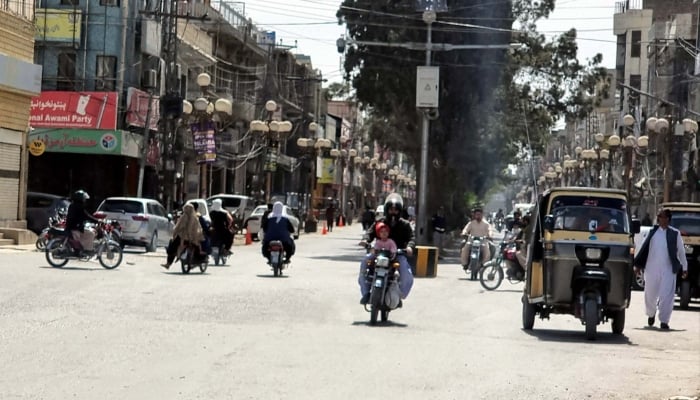
- Markets to shut by 8pm daily.
- Wedding events to end by 10pm.
- Restaurants to close by 10pm.
The provincial governments in Khyber Pakhtunkhwa and Balochistan have ordered early closure of markets, wedding halls and restaurants as part of energy conservation measures.
In notification issued by the KP chief secretary, markets, shopping centers, commercial establishments and night-time sports activities in divisional headquarters were directed to close by 9pm.
Markets, shopping centers and commercial establishments in other districts will close by 8pm, read the notification.
The provincial government also directed all restaurants, cafes and eateries to shut by 10pm; however, home delivery and takeaway may continue.
Similarly, all marriage halls, marquees, event halls, event lawns and public or private events should conclude by 10pm across the province.
Private offices, banks, academies, shops and gyms are also included in the restrictions.
According to the notification, agricultural and construction activities, hospitals, laboratories and emergency services have been exempted. Medical stores will remain open 24 hours but will be restricted to the sale of medicines only. Tandoors, petrol pumps and public transport have also been granted limited exemptions.
Industrial units and factories will be allowed to continue operations, though a ban has been imposed on unnecessary lighting. Decorative and flood lights at buildings, plazas and event venues have been prohibited, while markets have been directed to limit lighting to essential use only.
Authorities have further ordered the closure of billboards, LED screens and signboards, alongside restrictions on the use of air conditioners, lifts and escalators after business hours. The use of generators for non-essential commercial activities has also been banned.
The notification added that strict energy-saving measures will be enforced in government offices, with instructions to switch off all electrical appliances when not in use. Non-essential office activities after working hours have also been prohibited, except in emergencies.
Deputy commissioners have been directed to ensure implementation of these measures, with officials warning that violations will lead to inspections, checks and legal action.
Balochistan announced similar measures, with the Home Department saying the move followed decisions on fuel subsidies and energy conservation, implemented under Deputy Prime Minister Ishaq Dar's supervision.
According to the notification, all markets and shopping centres will close by 8pm, while pharmacies, tandoors and nanbais have been exempted from the restriction.
It further stated that marriage halls, banquet halls and wedding events, including those held in hotels and restaurants, must conclude by 10pm.
Restaurants and hotels have also been directed to close by the same time.
The Balochistan Home Department said the measures aimed to conserve energy and provide relief to the public, with district administration and law enforcement agencies tasked to ensure strict implementation.
Rising energy costs
The measures come as Pakistan moves to mitigate the impact of rising global fuel and energy costs, triggered by the ongoing war in the Middle East.
The more than month-old conflict erupted after the United States and Israel launched joint attacks on Iran on February 28.
In its response, Tehran targeted US bases across the Gulf region and effectively blocked the Strait of Hormuz, a key route for oil and energy shipping.
Citing impacts of disruptions to the global oil supply chain, Pakistan announced an increase of Rs55 each in the price of petrol and diesel on March 6.
The federal government also announced a wide-ranging austerity and fuel conservation plan, including a four-day workweek, a cut in fuel allowance and a 20% reduction in all government departments’ expenditures.
However, the petrol price was raised to Rs458.41 per litre on April 2, an increase of Rs137.23, while diesel rose to Rs520.35 per litre, up by Rs184.49.
At the time, federal ministers attributed the sharp increase to the rising international oil prices amid the Middle East conflict.
A day later, Prime Minister Shehbaz Sharif reduced the petrol price to Rs378 per litre for a month, slashing the petroleum levy by Rs80 per litre.
Addressing the nation on Friday, PM Shehbaz also outlined a relief package, including subsidies for transporters and financial support for small farmers.
He also said that earlier, federal cabinet members were to forgo their salaries for two months as part of austerity measures to tackle the fuel crisis, but the period had now been extended to six months.