Pakistan, Russia agree to boost cooperation against illegal immigration, drug trafficking
Interior Minister Naqvi meets counterparts of Russia, Tajikistan, Uzbekistan, Kyrgyzstan and Kazakhstan in Bishkek
Published June 06, 2026
- Terror camps in Afghanistan discussed with Tajik minister.
- Pakistan, Uzbekistan agree to expand LEA training cooperation.
- Pakistan, Kazakhstan to form joint group on migration issues.
BISHKEK: Pakistan and Russia have signed agreements to strengthen cooperation against illegal immigration and drug trafficking, the Minister of Interior said on Saturday.
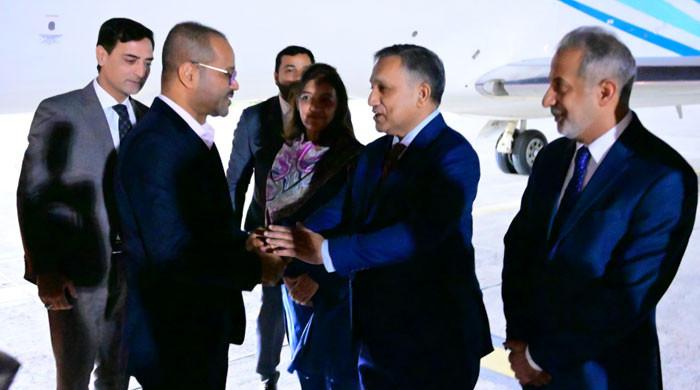
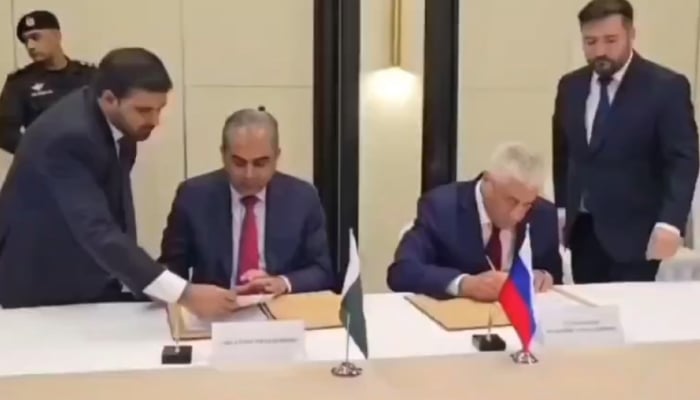
According to a statement issued by the ministry, the agreement was signed during a meeting between Interior Minister Mohsin Naqvi and his Russian counterpart, Vladimir Kolokoltsev, on the sidelines of a regional conference in Bishkek.
Naqvi — who is in Bishkek to attend a gathering of interior and public security ministers from Shanghai Cooperation Organisation (SCO) member states — also held separate talks with the interior ministers of Tajikistan, Uzbekistan, Kyrgyzstan and Kazakhstan, focusing on security cooperation, counterterrorism, law enforcement collaboration and regional challenges linked to Afghanistan.
During Naqvi's meeting with the Russian counterpart, both sides signed key agreements aimed at strengthening cooperation to curb illegal immigration and facilitate the repatriation of citizens.
Pakistan and Russia also signed an agreement to enhance collaboration in combating narcotics and preventing drug trafficking.
In talks with Tajik Interior Minister Ramazon Rahimzoda, discussions focused on security challenges emanating from Afghanistan, including terrorist camps and narcotics production.
Naqvi said the presence of terrorist camps in Afghanistan posed serious security concerns, while participating ministers noted that around 25 terrorist organisations were currently active in the country.
Naqvi also met Uzbek Interior Minister Aziz Tashpulatov, during which both sides discussed enhancing cooperation between law enforcement agencies and expanding joint training programmes.
In a separate meeting with Kyrgyz Interior Minister Ulan Niyazbekov, the two ministers agreed to increase cooperation in areas of mutual interest. Naqvi also congratulated Kyrgyzstan on its election as a non-permanent member of the UN Security Council.
Naqvi later met Kazakhstan’s Interior Minister Yerzhan Sadenov. The two sides agreed to strengthen cooperation to prevent illegal immigration and decided to establish a joint working group between their interior ministries to enhance bilateral collaboration.