Islamabad acting as neutral facilitator in US-Iran negotiations, says envoy
Ambassador Rizwan Saeed Sheikh stresses responsibility for settlement lies with concerned parties themselves
Published April 11, 2026
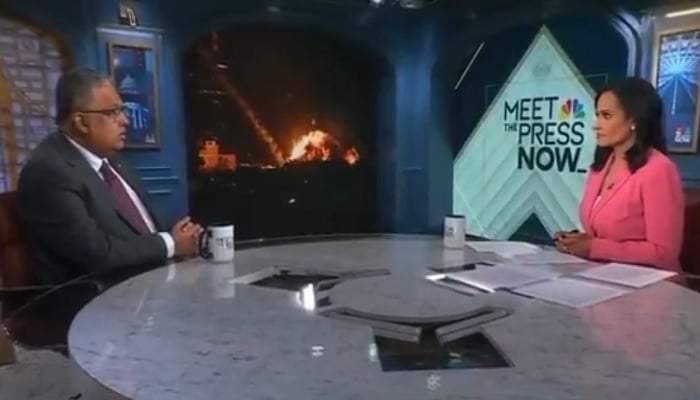
- Talks in Islamabad marked by constructive spirit among parties.
- High-level diplomatic efforts underway over ceasefire, summit.
- Pakistan pursuing its long-standing positive diplomatic tradition.
Pakistan’s Ambassador to the United States, Rizwan Saeed Sheikh, has said that intensive diplomatic efforts were underway regarding the Iran-US tensions, recent ceasefire arrangements, and the ongoing negotiation process in Islamabad.
Speaking on NBC’s Meet the Press with Kristen Welker on April 10, 2026, the envoy said high-level diplomatic engagements had been active in relation to both the ceasefire and the broader talks process.
He said Pakistan had “maintained its long-standing positive tradition” by actively contributing to diplomatic efforts aimed at easing tensions.
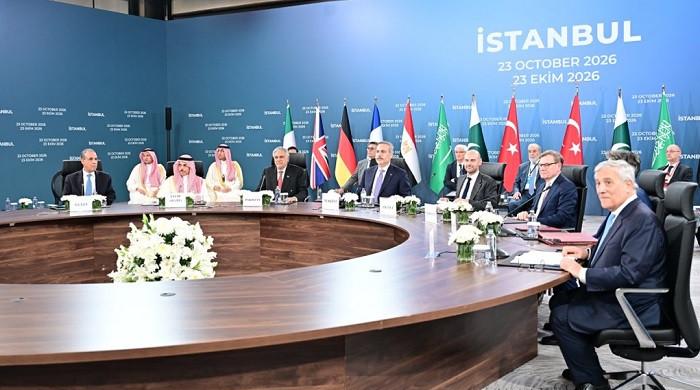
Sheikh added that Pakistan had received support and cooperation from several regional partners during the process, including Saudi Arabia, Egypt, Turkey, and others.
Referring to the talks underway in Islamabad, the envoy said a “constructive spirit” had been evident among the parties involved in the negotiations.
He stressed that dialogue and mutual understanding would help in resolving the issues at hand.
Pakistan, he said, was primarily playing the role of a facilitator, while responsibility for resolving outstanding matters rested with the concerned parties themselves.
The ambassador noted that both Pakistan and the international community were expressing good wishes for a peaceful outcome.
He further said there was a need to give diplomacy its fullest opportunity at this stage to achieve meaningful progress.
The Middle East conflict began on February 28 after the United States and Israel launched coordinated strikes that assassinated Supreme Leader Ali Khamenei and struck Iran's military and nuclear infrastructure, resulting in more than 2,000 deaths over five weeks.
In response, Tehran escalated operations across the region, effectively disrupting shipping through the Strait of Hormuz and carrying out strikes against Israeli territory as well as US military bases across the Gulf.
The confrontation between Washington and Tehran eventually came to a halt on April 8, when PM Shehbaz announced a two-week ceasefire agreement.
Washington's proposed 15-point framework for peace talks focuses on Iran's enriched uranium, ballistic missiles, sanctions relief, and the reopening of the Hormuz Strait.
Tehran, meanwhile, has presented a counter 10-point proposal calling for greater control over the strategic waterway, the introduction of transit tolls, an end to regional military operations, and a comprehensive lifting of sanctions.
The international community has broadly welcomed Pakistan's role in facilitating the ceasefire, with several countries expressing support for Islamabad's diplomatic efforts to de-escalate the conflict and advance peace negotiations.