US-Iran initial peace deal expected within 24 hours, says PM Shehbaz
Premier says Pakistan preparing for electronic signing followed by technical-level talks next week
Published June 13, 2026
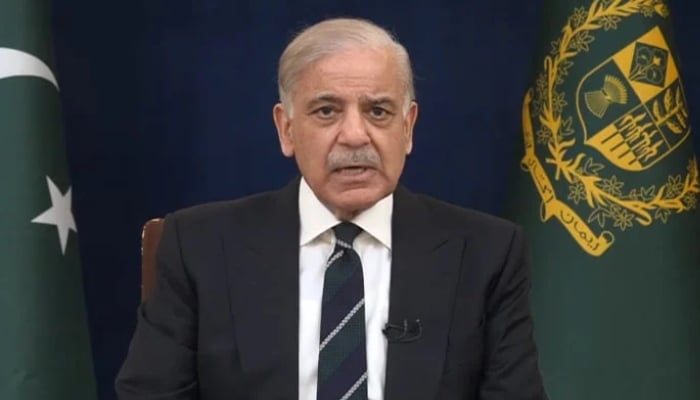
- Closer to a US-Iran peace deal than ever before: PM Shehbaz.
- Proposed deal calls for reopening Hormuz, US lifting blockade.
- Tehran says talks on its nuclear programme to be held later.
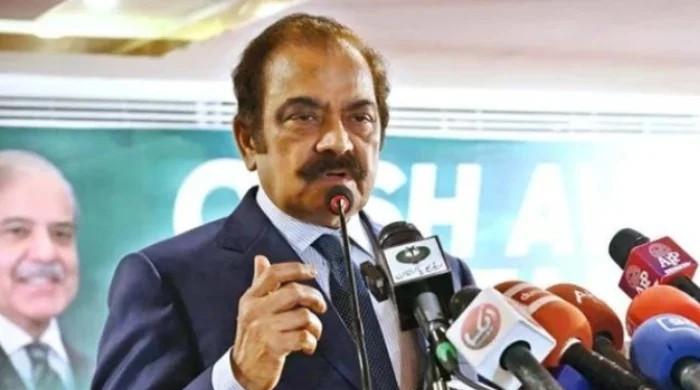
Prime Minister Shehbaz Sharif on Saturday said that the United States and Iran were expected to sign the initial peace agreement in the next 24 hours, with Pakistan preparing for the electronic signing of the deal.
In a post on X, the prime minister said that Pakistan was preparing for an electronic signing that would be followed by technical-level talks next week.
The US and Iran had signalled on Friday that an agreement to end their war was close, with a senior US administration official saying both sides had agreed on a text and that Washington expected to sign an initial deal in the coming days, Reuters reported.
"We are closer to a peace deal than ever before. With finalisation likely expected in the next 24 hours, Pakistan is preparing for the electronic signing of the peace deal immediately after, followed by technical level talks next week," PM Shehbaz wrote on X.
"We are confident that this historic peace deal will form a strong foundation for lasting peace."
Pakistan has been acting as a key mediator between Tehran and Washington since the war in the Middle East began with joint US-Israeli strikes on Iran on February 28.
In response to the strikes, Iran launched retaliatory attacks on US military bases in the Gulf and closed the Strait of Hormuz, while Hezbollah began attacking Israel.
The war has killed thousands of people, mostly in Iran and Lebanon, and sent global energy prices sharply higher due to the blockade of Hormuz, a key route for energy shipments.
What is in the deal?
The proposed memorandum of understanding calls for reopening the strait and lifting the US naval blockade on Iranian ports, sources on all sides of the talks said.
Negotiations over Iran's nuclear programme — US President Donald Trump's stated rationale for starting the war — would take place afterwards.
A US official, speaking on condition of anonymity, told reporters on Friday that the deal met Trump's core objectives and put negotiations "in a very, very good place".
Draft terms described to Reuters by multiple sources indicate the US would begin releasing billions of dollars in frozen Iranian assets and waive sanctions on its oil exports, in return for Iran opening the strait.
Iran's nuclear programme would be addressed during a 60-day period of talks. The US official said the agreement would ultimately lead to the dismantling of Iran's nuclear programme, with its stockpile of highly enriched uranium to be destroyed and removed.
But Iranian Foreign Minister Abbas Araghchi said on Friday that Iran, which sources said has not accepted the dismantling of its nuclear programme, wanted to retain the uranium in diluted form.
The proposals also include discussion of possible war reparations for Tehran and dropping longstanding US demands for limits on Iran's missile programme, the sources said. The US official disputed that account.
Araghchi said that while changes in the deal were still possible, the tentative agreement showed his country had emerged stronger from the conflict.
"Iran is the winner of the war with the US," he said on state television on Friday.
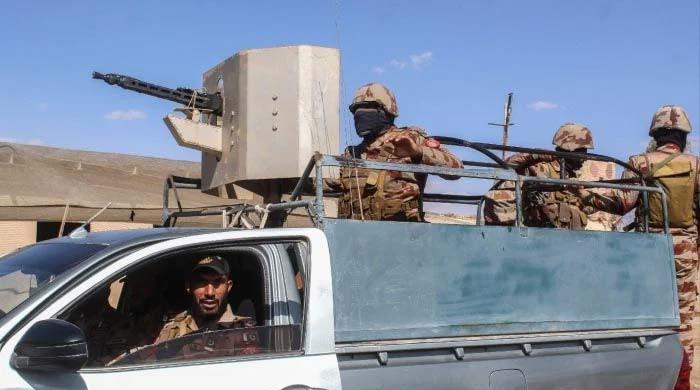
Hours after those remarks, US forces shot down multiple Iranian one-way attack drones heading towards the Strait of Hormuz, a source familiar with the matter told Reuters.
The source, who spoke on condition of anonymity, said the drones had posed a threat to commercial traffic. US Central Command later confirmed the action and said the waterway was open.