Role of ‘media' in the wartime
The biggest lesson of 'war reporting is that if you can't report 'facts', at least don't tell the 'lies' through disinformation
Published April 14, 2026
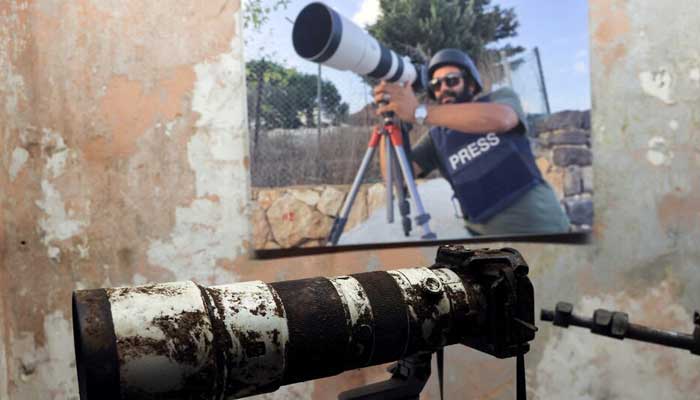
The ‘truth’ is the first casualty in war. It is an established fact and yet, journalists remain in search of ‘truth’. No wonder hundreds of journalists, including cameramen and photojournalists, were killed in the line of duty. At times they themselves become the ‘news’ while some of those who survived continued their search for the ‘truth’ even they couldn’t report, they waited for the right moment like in the case of Iraq’s ‘Weapons of Mass Destruction’ (WMD), which ultimately led to the rare ‘apology’ or ‘regret’ from none other than some of the leading American media outlets that they ‘misled’ their readers about the WMD. What a cruel joke it was that a country was attacked and thousands were killed, and the regime was changed.
The media, by and large, lost its credibility in the post-Iraq war, as not telling the truth during the ‘war’ is one thing, but spreading disinformation is far more serious and dangerous, as it resulted in huge casualties. So, if the media even became instrumental in portraying factually incorrect information, which led to war, it could not be absolved from taking the responsibility of feeding wrong information and that too deliberately. It could be tantamount to ‘Media’s War Crimes’.
What happens in the case of Gaza and the massacre of Palestinians? How the media has been told what kind of information they can give and what they can’t. Never before has Western media, including some of the top media outlets, been exposed to the question that has been raised about the so-called claim of ‘freedom of the press’ and ‘freedom of expression’ in the Western world. Besides, many media outlets otherwise known for independent journalism were ‘scrutinised’ as a result, either some independent voices stopped writing for these outlets or were told not to write. Even some of the columnists in Pakistan stopped writing for them under ‘silent protest’. A Pakistani correspondent reporting for years for another well-known foreign media outlet faced an internal inquiry when he tried to cover a pro-Palestinian rally. Since then, I could tell many such stories of how the media, local or international, are fast losing ethics and professionalism.
Thus, the question of access to information is now not confined to Pakistani media, but such questions are being raised in the Western media as well. During the recent US-Iran conflict, for years, stories have allegedly been planted that Iran is in the process of making a ‘nuclear bomb’. Most of these stories were based on ‘information’ which could be disputed. While the Iranian leadership officially denied and blamed the Western media, stories continued to hit the headlines. Those media outlets that are critical of US President Donald Trump’s policy have been blamed by none other than Trump himself. In the end, as expected, Israel and the US attacked Iran, accusing Tehran of making a ‘nuclear bomb’. It was attacked at a time when Iran was holding negotiations. Now, after six weeks of war, Trump claimed that US forces have destroyed Iran’s nuclear and missile capabilities, demolished its Air Force, etc., with no independent confirmation or otherwise, as the media is not free in Iran either.
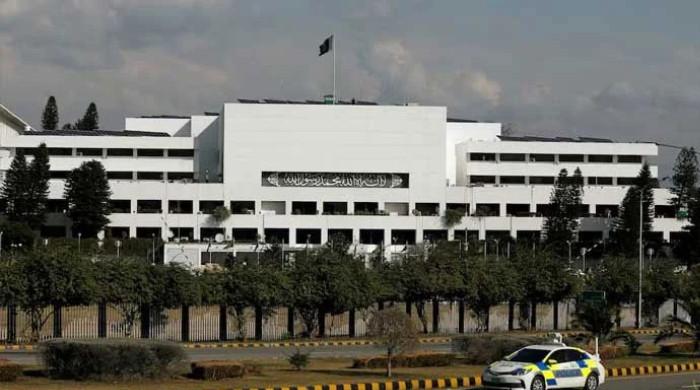
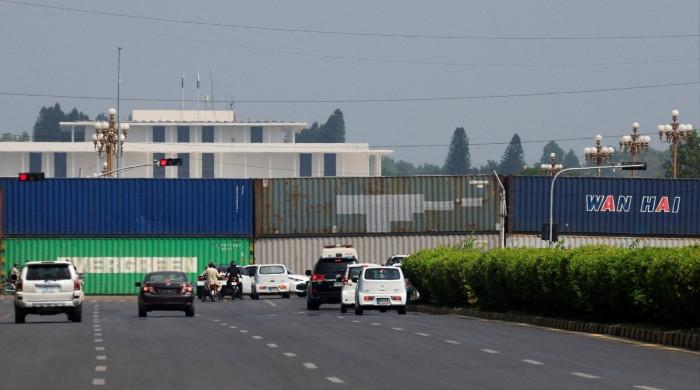
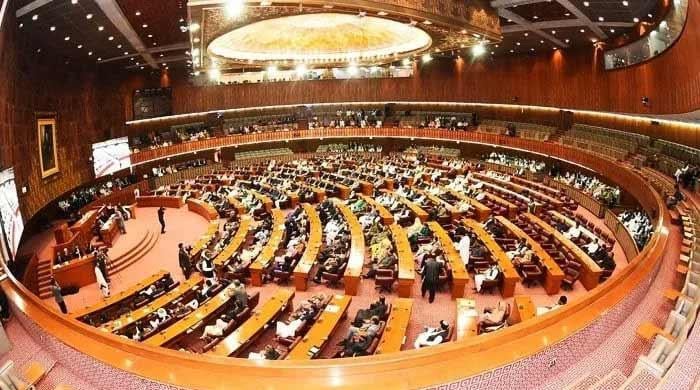
When finally both the US and Iran agreed to talk across the table and accepted Pakistan, not only as a facilitator but also as a mediator, Islamabad received international attention. The government allowed the international media all kinds of facilities as far as foreign journalists’ visa issues were concerned with. Even a visa facility was provided on arrival at the airport. They also had facilities at the Media Convention Centre with all kinds of internet and other facilities. However, as far as media access to the negotiations as well as how the media has reported the event, only those present in Islamabad would be in a better position to tell, or those foreign journalists who were here for this mega event can tell. As for the local coverage, Pakistanis are concerned that the talk was ‘guarded’. However, media coverage was somewhat different on digital media platforms.
‘Access to information’, is the most essential part to establish facts and authenticity of the news. Information is often killed or censored, which always leads to speculative stories and, at times, to ‘disinformation.’
Over the years, the trend of ‘embedded journalists’ has increased, who are often used by the countries for their own projection and for misinformation and disinformation. Yet, many independent journalists, knowing fully well the risks and dangers involved, go into battle zones in a bid to report and trace the facts. Many of their fact-based stories have either been dropped or censored but those who survived exposed disinformation with fact-based journalism took the risk and often laid down their lives in search of the truth. From Iraq to Gaza, journalists, broadcasters, and photojournalists have been killed in the line of duty.
Journalist and author Tom Fenton, in his book ‘Bad News’, had exposed some of the well-reputed news networks about their role during the Iraq War. “In 2004, the New York Times and the Washington Post announced publicly that they had failed to scrutinise the Bush administration’s given reasons for invading Iraq sufficiently in advance of the war. The Times printed an apology on May 26, admitting that it had misled its readers on the issue of weapons of mass destruction. Editors at several levels who should have been challenging the reporters and pressing for more scepticism were perhaps too intent on rushing scoops into the newspaper. In some cases, there was no follow-up.”
He went on to say and question. “Even leaving aside whatever political agenda such an admission may imply, Times readers could be forgiving for wondering: Was this confessed oversight a unique situation? What else had the papers missed, and for how long?
It’s just a reflection of where the media world stands today, and how such disinformation, misinformation and fake news have threatened the very concept of ‘freedom of the press’. The author also recalled how his news-based stories had been rejected. “In the decade leading to 9/11, I had been beaten down by the corporate countries. I had seen so many of my stories turned down by executives more interested in furthering their careers by coming in under budget than in breaking the real news, that I had almost given up.”
One fact remains undeniable, whether you belong to the print media, electronic media or digital media, the ‘fundamentals of journalism’ remain the same, i.e., facts, authenticity, and ethics, which if followed give more credibility to the ‘news, newsmen and newsrooms’. The fact is something to be told today, as news gets old if it is told tomorrow.
War reporting is as difficult as the war itself, and journalists covering such conflicts must be well-equipped, both with information as well as safety gear. They should be well aware of the history of the conflict and it is the prime responsibility of the media outlets to provide them with safety training and life insurance. But, at the same time, journalists do take the risk of the danger of reporting ‘war’, and good professionals always look for a ‘scoop’. How to report and what to report during ‘war’ is a science in itself.
War is something no one wants to see, but as a journalist, one should know how to cover a war while being unbiased, a difficult task, but through fair reporting, journalists can gain the confidence and trust of readers and viewers, even if ‘truth’ remains the first casualty. So, the biggest lesson of 'war reporting is that if you can't report 'facts', at least don't tell the 'lies' through disinformation.
The writer is a journalist and analyst of Geo, Jang and The News. He can be reached on X: @MazharAbbsGEO