Pakistan airspace ban on Indian flights set to complete one year as curbs extended
All Indian-registered, leased, commercial, military aircraft to remain barred from Pakistani airspace until May 24
Published April 21, 2026
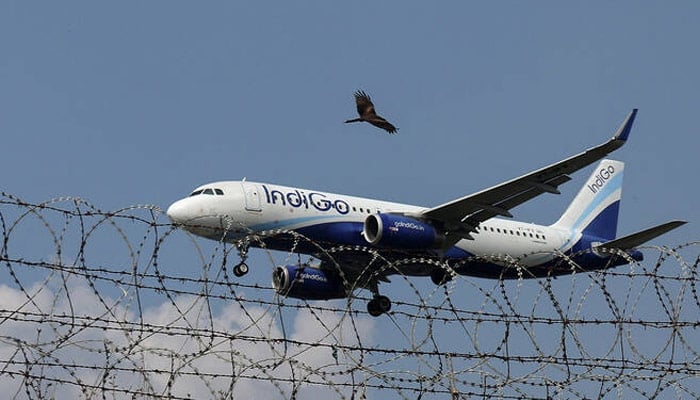
- Pakistan keeps airspace shut to Indian flights since 2025.
- No Indian airlines allowed to enter Pakistan airspace.
- Indian aviation faces billions in losses due to airspace ban.
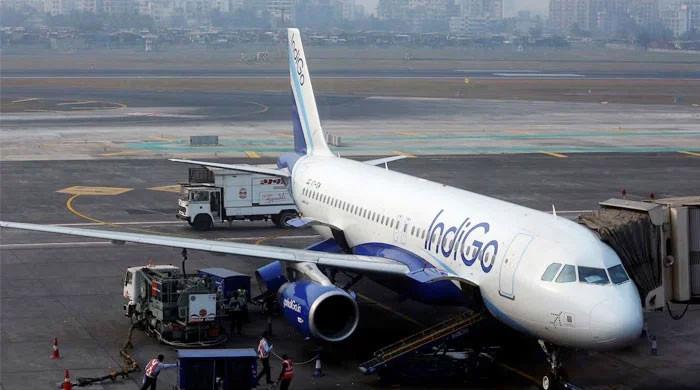
Pakistan’s ban on Indian aircraft entering its airspace is set to complete one year, with authorities extending the restriction for another month through a fresh Notice to Airmen (NOTAM).
The Pakistan Airports Authority said all Indian-registered, leased, commercial and military aircraft will remain barred from Pakistani airspace until 5am on May 24, 2026.
Pakistan has kept its airspace shut to Indian flights since April 24, 2025, a move that has resulted in losses amounting to billions of rupees for Indian airlines.
Pakistan closed its airspace for Indian airlines in a tit-for-tat move after New Delhi suspended the critical Indus Water Treaty amid heightened bilateral tensions following the Pahalgam attack in Indian Illegally Occupied Jammu and Kashmir (IIOJK), which New Delhi blames on Islamabad. Pakistan has rejected the allegations and also called for a transparent inquiry.
Following Pakistan's decision, India also shut its airspace to Pakistani airlines on April 30.
After the Pahalgam attack, India, on May 6-7, 2025, launched unprovoked attacks on multiple Pakistani cities. In response, Pakistan's armed forces launched a large-scale retaliatory military action, "Operation Bunyanum Marsoos", and targeted several Indian military targets across multiple regions.
Pakistan downed seven Indian fighter jets, including three Rafale, and dozens of drones. After at least 87 hours, the war between the two nuclear-armed nations ended on May 10 with a ceasefire agreement brokered by the United States.
While India's aviation industry has faced heavy losses, the impact on Pakistani aviation has been minimal.
This is not the first time Pakistan has imposed such restrictions. Airspace closures were previously enacted during the 1999 Kargil conflict and the 2019 Pulwama crisis, both instances in which India faced greater aviation disruptions than Pakistan.