London's first robotaxis 'expected in months'
Cars will use AI technology to drive themselves round the capital's streets
Published June 08, 2026
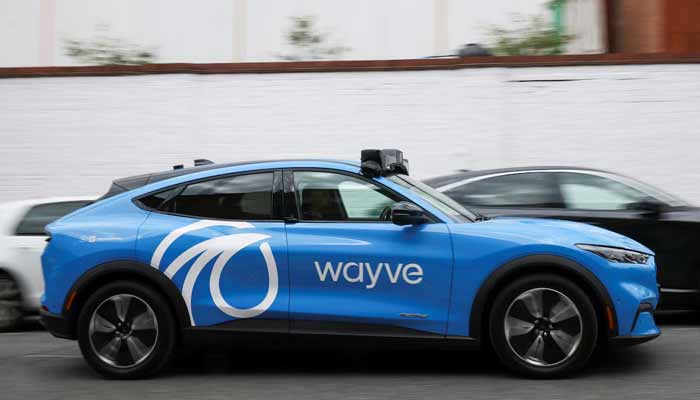
Uber said its users could sign up from Monday for a chance to ride in London's first robotaxis as soon as regulators give the go-ahead for launch, which it expects in the coming months.
The cars will use AI technology from British startup Wayve to drive themselves round the capital's streets, but will initially have trained operators sitting behind the wheel monitoring the system, the ride-hailing company said.
Robotaxis already operate in cities in the United States, including San Francisco, Phoenix and Los Angeles, and in China. But Europe has been slower to roll them out, in part due to local legislation and more complex historical street layouts.
Uber has described their introduction as a strategic priority as it races with rivals to adopt the technology, which promises more efficient journeys and cost savings.
"This is the first time the general public will be able to hail an autonomous vehicle in the UK," Wayve's VP of commercial and operations Kaity Fischer said in an interview.
Tested on busy London streets
The Ford Mustang Mach-E vehicles, branded Uber x Wayve, have surround cameras and radar that provide data that is processed in the vehicle. The technology has been tested on London roads since 2018, Fischer said.
The vehicle coped with heavy London traffic — buses pulling in and out, cyclists swerving through cars and pedestrians stepping onto crossings — in a test ride taken by Reuters on Friday.
Customers matched with a Wayve autonomous ride will be able to choose to accept or switch to a conventional service, said Annie Duvnjak, Uber's Global Head of Autonomous Mobility Operations. The AV rides will not cost more, she added.
The British government said in 2025 it would fast-track pilots of taxi services without a safety driver this year before a potential wider roll-out next year.
Commercial services have to be approved by local authorities, such as Transport for London, before launch.
Transport minister Heidi Alexander said on Monday that self-driving technology had the potential to transform how people travel — reducing road danger while driving growth and creating high-skilled jobs across the UK.
"Wayve is a British success story and this partnership with Uber is a welcome vote of confidence in their technology," she said.
Waymo, a subsidiary of Google-owner Alphabet, is also testing autonomous vehicles on London's streets. It has said it plans to launch commercial services there this year.
Uber and its rival Lyft will also test Chinese company Baidu's self-driving Apollo Go cars in London this year, the companies have said.
Wayve, which partnered with Uber in 2024, said its technology could be adapted to multiple vehicle platforms, enabling it to scale quickly.
In February, it raised $1.5 billion, including new money from Uber, Mercedes-Benz, Stellantis and Nissan, at a valuation of $8.6 billion.