UK considers forcing social media firms to prioritise trusted news
Meta, YouTube, TikTok may be required to highlight trusted media
Published June 23, 2026
Britain is considering forcing social media companies to prioritise what the government called trusted news sources as part of its broader push to tighten regulation of the sector.
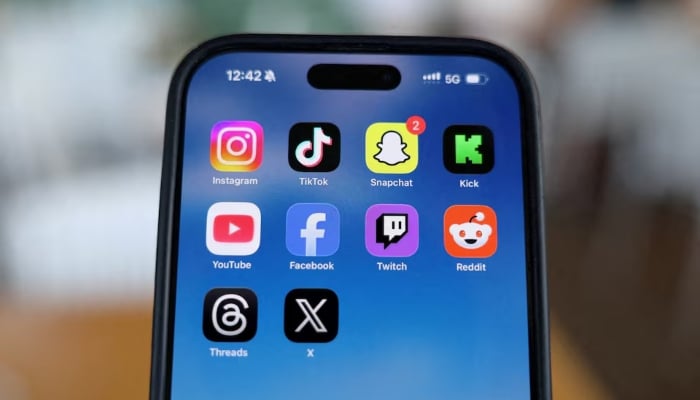
The culture department said on Monday it was considering requiring platforms such as Meta's Facebook, Alphabet-owned YouTube and TikTok to make content from public service media — including the BBC, ITV and Channel 4 and other trusted news providers easier to find in users' feeds and searches.
The move comes a week after the government announced a ban on under-16s using most social media platforms.
Data from media regulator Ofcom show social media has become a main source for a majority of UK adults and around three-quarters of younger people aged 16 to 24. Separate Ofcom research from 2024 found four in 10 UK adults had encountered misinformation in a single month, most of it online.
"It is vital that we make sure that people have better access to trusted and accurate news and that our regulated public service media is seen and heard in the fierce battle against mis- and disinformation," culture minister Lisa Nandy said in a statement.
Boosting the visibility of regulated news providers could help tackle misinformation, particularly during crises, the government said.
However, any move to influence how platforms rank content is likely to face scrutiny from the social media firms, which say such rules could override user choice and disadvantage other creators.
X, Meta, TikTok and YouTube did not immediately respond to requests for comment.
The proposals form part of a broader overhaul of Britain's public service media system to help broadcasters compete with streaming platforms and shifting viewing habits.
Ministers are also considering widening public service media status to include online-only providers, extending free-to-air protections for major sporting events to on-demand viewing, and consulting on a shift to internet-based TV from 2034 or 2044.