Massive Ozone Hole bigger than Antarctica opens up: Is Earth's protective layer healing or getting worse?
Ozone protects us all, both people and plant life, through absorption of many dangerous components of sunlight
Published September 16, 2026
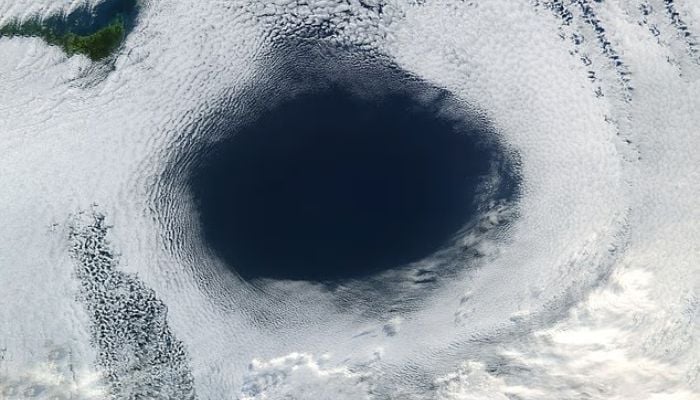
A large hole in the ozone layer is developing at an alarming rate in Antarctica, with scientists estimating it now covers almost as big an area as the entire continent itself.
On September 12, the 2026 Antarctic ozone hole was estimated to be about 25 million km², compared to approximately 20 million km² at the same point last year.
In comparison, the average size of the hole at this time of year is about 20 million km². At the end of August the hole covered nearly 15 million km². In the weeks that followed, it grew dramatically. While it may continue to expand, ultimately, it will reach a maximum and then shrink.
Does this mean the ozone layer will continue to get worse?
The "ozone hole" doesn't refer to an actual void within Earth's atmosphere. Instead, it refers to areas of the atmosphere where the levels of protective ozone are lower than normal.
Each year, a similar type of phenomenon develops over Antarctica starting typically around August and ending somewhere around November to December.
Ozone protects us all, both people and plant life, through absorption of many dangerous components of sunlight (UV). Too much UV exposure can result in increased risk of skin cancer and other health issues.
However, the size of each year's ozone hole varies greatly based on temperature and wind patterns found high above Antarctica.
This year's ozone hole developed quickly due to extremely cold temperatures in the upper layers of the stratosphere. These temperatures caused chemical reactions that destroy ozone.