NASA plans to crash International Space Station into Pacific ocean: Does it mean an end to space research?
Elon Musk-owned SpaceX will develop a Space Deorbit Vehicle
Published September 17, 2026
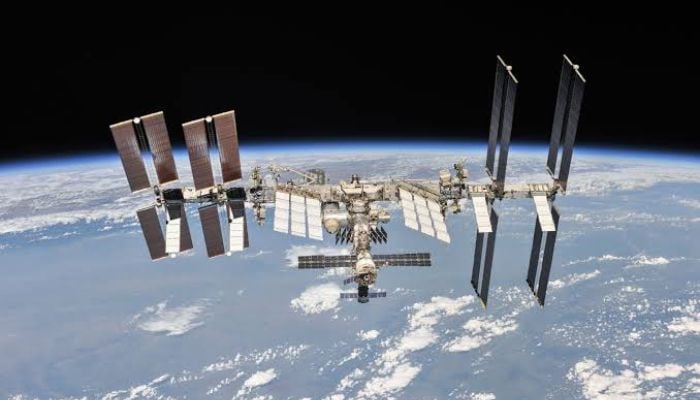
The International Space Station (ISS), one of the most expensive pieces of technology humans have ever built, is all set to retire after spending three decades in space and hosting many missions.
The National Aeronautics and Space Administration (NASA) does not plan to abandon it in space neither it wants the structure to be put on display in a museum. The American space agency plans to deliberately crash what remains of the ISS's structure into a remote part of the Pacific Ocean by the end of 2030.
The decision was made out of security concerns as the massive orbiting laboratory weighs around 430 tonnes and leaving it in space to decay could eventually send harmful debris back to Earth.
Elon Musk-owned space technology giant SpaceX has been awarded a contract to develop a special space machine, known as Space Deorbit Vehicle, which will attach to the ISS and help lower its orbit before carrying out the final burn that sends the station into Earth's atmosphere.
Most of the structure will burn upon reentry into the atmosphere while the remaining will splash down far from populated areas, in a remote site in the Pacific Ocean.
However, end of ISS doesn’t mean an end to space research as NASA wants privately owned space stations to take its place, with companies developing new destinations where astronauts, scientists and even commercial customers could work.
The ISS isn't only somewhere astronauts live. Drugmakers including Merck and biotechnology companies have used microgravity to study medicines, grow protein crystals and experiment with human tissue.
With retirement getting closer, companies are now racing to make sure that research has somewhere else t