Pakistan takes global stage at Bitcoin MENA 2025
Bilal bin Saqib lays out Pakistan’s plan for structured, and globally aligned digital asset framework
Published December 10, 2025
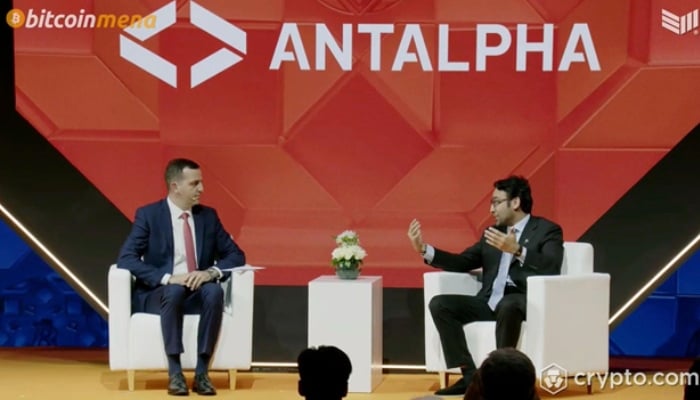
Pakistan took the global stage at Bitcoin MENA 2025 a Pakistan Virtual Assets Regulatory Authority (PVARA) Chairman Bilal bin Saqib joined one of the conference’s standout panels, laying out Pakistan’s plan for a structured, responsible, and globally aligned digital asset framework.
With more than 7,000 participants and delegates from over 40 countries in the room, the message to investors and builders landed clearly: Pakistan is open for compliant innovation, institutional partnerships, and long term digital asset growth.
At Bitcoin MENA 2025, the region’s largest gathering of global Digital Assets and Bitcoin leaders, policymakers, and builders, Bilal delivered a defining message on Pakistan’s digital asset ambitions during a high-profile panel alongside Antalpha COO Derar Islim.
The discussion marked a pivotal moment in Pakistan’s emergence as a serious player in the global digital asset ecosystem.
Speaking to a packed audience, Bilal outlined how Pakistan is approaching Bitcoin and digital assets not as speculation, but as economic infrastructure designed for the future.
“Pakistan is not chasing the future. Pakistan is trying to build a new one,” Bilal said, emphasising the country’s demographic strength, with over 70% of the population under the age of 30. He framed blockchain and digital assets as a foundational financial rail for the Global South and a catalyst for transforming Pakistan’s youth from consumers into builders.
Bilal highlighted the Pakistani government's focus on regulatory clarity, noting that the country is moving rapidly to turn one of the world’s largest unregulated crypto markets into a compliant, investment-friendly ecosystem.
On the ground realities for Pakistani users, Bilal explained why Digital Assets and Bitcoin have gained organic adoption across the country. For millions of Pakistanis, he said, Digital Assets and Bitcoin solve real problems: protecting savings amid currency volatility, providing access to financial services for the unbanked, and enabling global, instant payments for one of the world’s largest freelancer populations.
The panel concluded with a broader view on emerging markets, where Bilal argued that the next phase of Digital Assets and Bitcoin adoption will be driven not by traditional financial centres, but by countries where economic pain is real and digital innovation can create outsized impact. He positioned Pakistan alongside other emerging economies as future case studies in energy-backed mining, open-source development, and technology-led growth.
The panel underscored a broader shift underway in Pakistan’s approach to digital innovation. In a landscape where many jurisdictions remain reactive or uncertain, Pakistan is moving with intent, structure, and clarity. The alignment between political leadership, regulators, and industry signalled a maturing strategy focused on long-term economic impact rather than short-term experimentation.
Bilal’s presence on the Bitcoin MENA stage reflected this new posture. Appointed just months ago, he has quickly emerged as one of the most articulate voices from an emerging market on digital asset policy, bridging the gap between regulation and innovation. His contributions at the conference were widely recognised as thoughtful, grounded, and globally informed, reinforcing Pakistan’s ambition to serve as a responsible model for other developing economies exploring digital assets.
As Bitcoin and digital asset adoption continues to expand beyond traditional financial centres, Pakistan’s approach: pragmatic, forward-looking, and execution-focused, positions the country to play a meaningful role in shaping the next chapter of the global digital economy.