Saudi Arabia abolishes iqama fees for expatriate workers in licensed industries
Minister Alkhorayef says move will enable industries to grow, accelerate adoption of modern business models
Published December 18, 2025
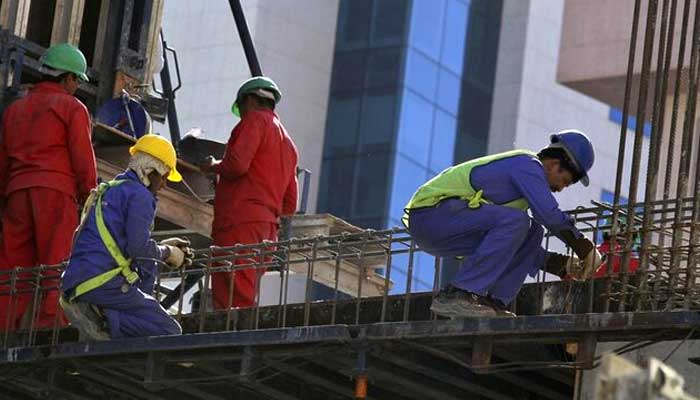
In a move to empower its industrial sector, the Saudi Arabian cabinet has greenlighted the abolition of expatriate worker fees, commonly known as iqama or work permit, in licensed industrial establishments.
The decision was taken in a session of the Council of Ministers chaired by Saudi Crown Prince and Prime Minister Mohammed bin Salman on the recommendation of the Council of Economic and Development Affairs (CEDA), Saudi Gazette reported.
Minister of Industry and Mineral Resources Bandar Alkhorayef said that the cabinet's decision to revoke the financial levy for expatriate fees for industrial workers will enhance sustainable industrial development in the Kingdom.
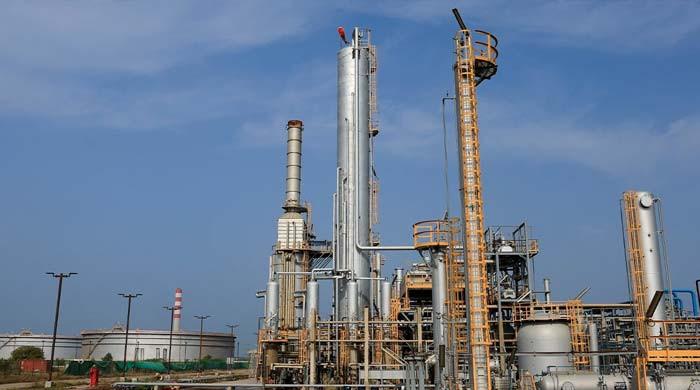
Terming it an extension of continuous support to the industrial sector under its Vision 2030, the minister pointed out that it will contribute to enhancing the global competitiveness of Saudi industry and increasing the reach and distribution of non-oil exports in various global markets.
Under its ambitious Vision 2030, Riyadh intends to diversify its economy independent of oil trade.
The minister pointed out that the fresh move would attract more quality investments besides reducing the operating costs in factories.
It will enable the industries to expand, grow, and increase their production, and accelerate the adoption of modern business models by industrial establishments, such as automation solutions, artificial intelligence, and advanced manufacturing technologies, he added.
Saudi Arabia remained Pakistan's largest source of remittances, with overseas Pakistanis sending $753 million in November, followed by the United Arab Emirates at $675 million.
According to Saudi media, Pakistan dispatched 1.88 million workers to the Kingdom between 2020 and 2024, marking a 21% increase from 1.56 million during 2015-19.
It has also emerged that Islamabad is seeking to double its annual manpower exports to Saudi Arabia to one million workers, following the signing of a landmark defence pact in September.
Pakistan's labour exports have traditionally been concentrated in construction, allied trades, healthcare, and hospitality, but the federal government is now aiming to diversify into additional sectors.