A stray dog fight, millions of views and a question for real news
"Toty Bhai" and "Buzzo Bhai" are stray dogs and their turf war has travelled across timelines, pulled in audiences
Published January 02, 2026

If you opened social media recently and found yourself following updates about two rival "gangs", don't worry, you didn't miss a breaking crime story. You just walked into the internet’s favourite new obsession.
"Toty Bhai" and "Buzzo Bhai" aren't politicians, celebrities or criminals. They're stray dogs. And yet, their turf war has travelled across timelines, sparked debates, inspired analysis and pulled in audiences the way serious news often struggles to do.
Which raises an uncomfortable but important question: if a canine feud can hold so much attention, where does that leave news, and how exactly does the youth decide what is worth watching, sharing or believing?
A routine canine fight between the two, gained traction with several accounts uploading updates, analysis, and support for Toty Bhai.
Many dog lovers, other canines, and even the feline community have shared posts to support Toty or give their opinions about the incident.
Several analysts have spoken about the matter as being more than just a gang-related feud, pointing to land or property issues. It is fascinating to see how far content creators, putting in so much effort, develop a whole timeline. But this is not the first time well-written or enacted satire has been produced; every country has whole satire shows that are extremely popular with audiences.
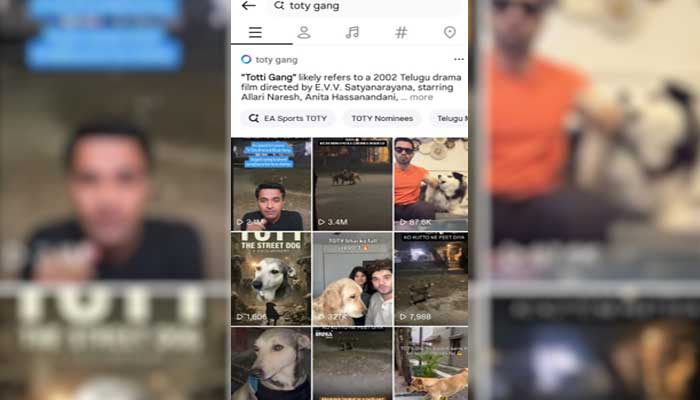
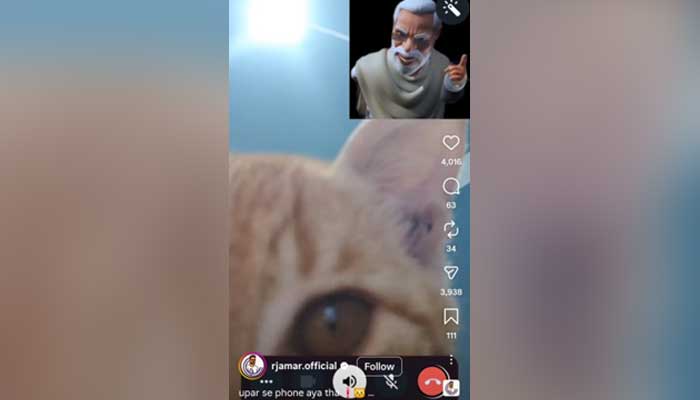
Searching the word Toty gang on Instagram showed dozens of posts on this topic. One content creator created an animated video of the Indian prime minister commenting on the incident, requesting the felines to stay out of the canine gang issue.
A simple online search (or research, if we can call it that) gave some insights into the words Toty and Buzzo, and it makes sense, as the creators are young and quite creative.
The first online search revealed (for context for the older audience): "Toty Gang" and "Buzzo Gang" appear to be terms associated with specific niche content creators or social media groups rather than established historical organisations.
It clarified that this is "primarily an internet meme or trend, not a real-world criminal organisation or a specific, notable group of actual dogs".
The search further talked about "Prince Teotia (Toty) Gang: "While "Toty" is often used online as an abbreviation for "Team of the Year" in gaming communities (e.g., FIFA/FC 24/25), in the context of Indian criminal gangs, the Prince Teotia Gang is a real group active in South Delhi. Prince Teotia was a notorious gangster whose criminal activities and gang rivalries gained significant media attention in the early 2020s, particularly following his murder inside Tihar Jail in April 2023."
"Buzzo Gang (Indiavideo): The term "Buzzo Gang" is primarily linked to a small YouTube presence, specifically the channel BuzzoGANG Tv, which has been active since at least late 2023 to early 2024. The "Indiavideo" suffix likely refers to content shared on video platforms like YouTube or Instagram featuring "gangster-style" edits or reels, a trend that saw a massive surge in India between 2022 and 2025."
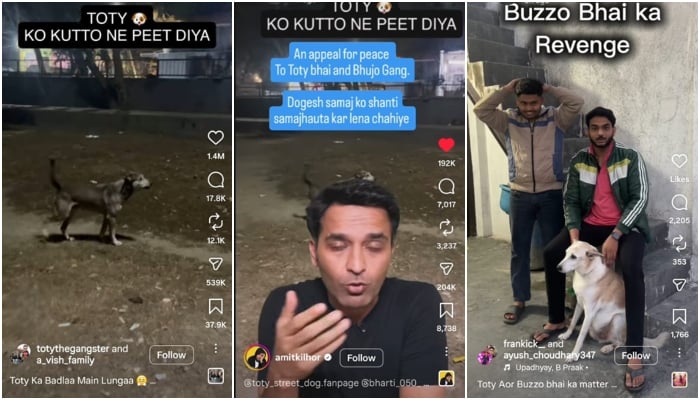
Given the context of the Toty meme and the interest it is generating makes sense that the creators used local references to generate the satire to give a backstory to their satirical content. The search further revealed that ‘gang’ tags originate when social media influencers or minor local figures create "gang" personas for digital clout. This "online radicalisation" or "cool gangster" story became prominent on Indian social media around 2023-24, fuelled by high-profile real-world events."
Humour and satire have always drawn an audience, regardless of the platform or medium. Now, even serious news has to share space with satirical content.
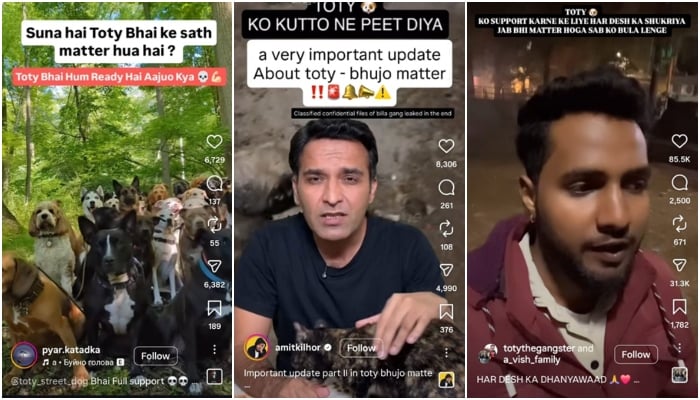
The interesting thing in this is how much the audience reacts to non-serious issues and content, if you can call it that, spending time and effort to follow accounts and posts, and even updates to content that is not news.
The interesting thing is that the Toty and Buzzo Bhai issue is being presented like a real incident, with no disclaimers or labels. Apparently, no one cares; the content is entertaining, and people want entertainment.
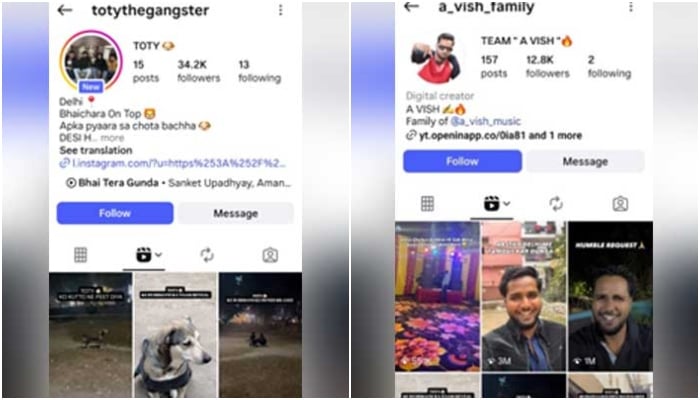
Fame used to be a tough goal that was usually achieved after years of hard work and a lot of anxiety. Nowadays, fame is probably easier to achieve, and sometimes it doesn't require a lot of skills. At a time when things become viral and/or trends, anyone can be famous. The only recipe for this is that the content is extraordinary, bizarre, ridiculous, and alarming to become viral, as it intrigues the fancy of audience.
Is this bad? It depends on the audience. And the magnitude of the reaction and interaction in real-time is any content creator's dream.
Social media has provided the freedom that no other content creator had in the past. It is an extremely interesting parallel universe, if we can call it that, where the audience has access to anything and everything, and content creators get immediate validation, which is good, or rejection, which can be devastating.
Social media platforms like Instagram, TikTok, YouTube, Facebook, and WhatsApp in South Asia have challenged professional content creators — authors, journalists, writers, artists, videographers, animators, etc — to get into the spotlight and grab the short attention, which is only decreasing, of the audience.
Does it make actual news and hard-hitting, factual content redundant?
Many members of the older generation are not happy with the lifestyle and life choices of the younger generation. And some think this generation is not as intelligent, hardworking, and surely not as well-informed as they are.
This is a little harsh of an assumption, and mostly not true. The youth have their own habits of consuming content. They do not go for long-form content; they want news and may or may not want the details, which is not a bad thing if you see it from their point of view. With so much content available, it is only smart to pick and choose what content to access and where to access it from.
As the digital disruption has changed things, it is not fair for the elders to force the youth to conform to their ideals and approaches to life. The smart young audience filters the content and only uses what is relevant to them. Unlike generations before them, they don’t clamour for traditional media outlets and big names; on the contrary, traditional media and big names are evolving to cater to their needs and preferences. This is the smart thing to do.
Therefore, news and other content have not lost their value for the youth; they have just become selective about the content they want. This has helped bring change to the quality and quantity of content developed. Change is not always a bad thing.