Chinese automaker Xpeng confirms robotaxi trials, humanoids' mass production for 2026
Published January 09, 2026
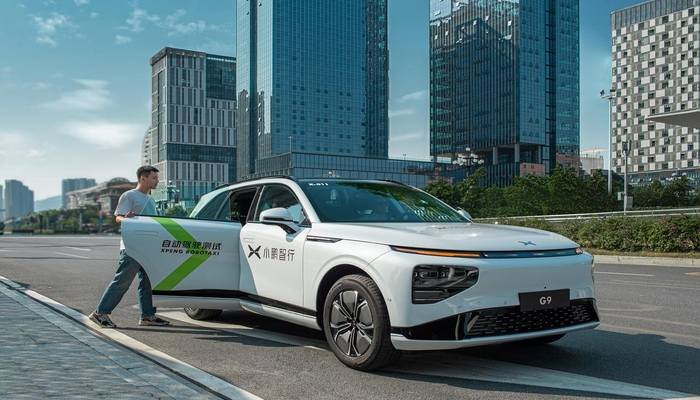
Chinese automaker Xpeng has announced it will launch street trials of its robotaxis and begin mass production of humanoid robots later this year.
As automakers are increasingly developing robots to automate tasks in warehouses and factories, Xpeng's feat in robots and driverless automobiles indicates the significance of physical artificial intelligence (AI), as both sectors are backed up by various existing sensor technologies and hardware.
He Xiaopeng, the founder and CEO of Xpeng—one of China’s leading electric vehicle (EV) startups and a partner of Volkswagen—stated on Thursday that in the face of increasing competition in the automotive sector, integrating AI capabilities through Xpeng’s proprietary “Turing” AI chip will provide a competitive edge.
“Xpeng definitely does not want to become a car company that simply sells hardware cheaply,” he remarked at an event in Guangzhou.
The company is also gearing up to initiate mass production of humanoid robots in the second half of 2026 and commence street trials of robotaxis “very soon,” He remarked.
The company's shifting focus on AI-assisted robots and fully autonomous vehicles is a reflection of similar initiatives by Elon Musk’s Tesla, which is also venturing into humanoids and robotaxis in the wake of a global surge in AI adoption.
Chip technology firm Arm Holdings recently reorganised to establish a physical AI unit aimed at expanding its footprint in the robotics market. This outlines the tech giants' growing interest in physical AI.
Despite recording a net loss of 380 million yuan in the third quarter, He anticipates breaking even by the end of 2025.
Xpeng showcased four updated cars at the Guangzhou event, showcasing new software features such as 3D navigation systems, advanced hazard alerts, and enhancements in autonomous driving.