You might confuse Optimus robot with a human: Tesla
Tesla robotics engineer Ashok Elluswamy says Optimus 3 'looks like a human'
Published January 30, 2026
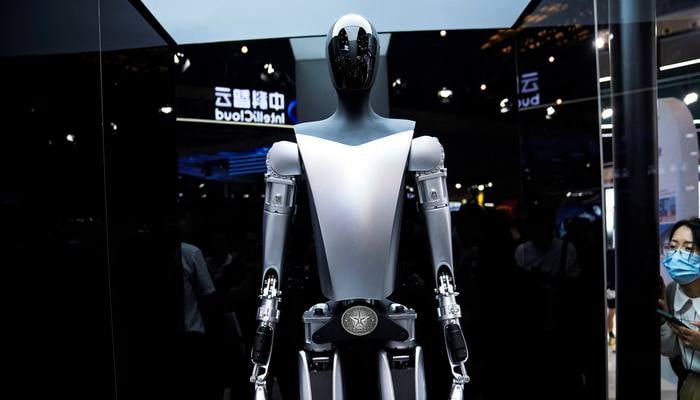
Tesla recently announced to get rid of producing Model S and Model X in preference to manufacturing one million Optimus humanoid robots annually at its Fremont factory.
But that's not surprising, the real surprise is its realistic reflection of humans, as the Tesla robotics engineer Ashok Elluswamy put it during a recent earnings call: “It’s an awesome robot that minimises any differences... It looks like a human. People could easily be confused that it’s a human.”
His intriguing statement raises a question about the future of humanoid robotics and how closely these machines might resemble humans.
Tesla's Optimus 3 robot is built on the same Full Self Driving (FSD) technology as Tesla’s Model 3 and Model Y, and showcases impressive capabilities that blur the lines between machine and human.
This incredible similarity is in line with Elon Musk's ambitions for the Optimus robot. He envisions it playing a vital part in addressing societal challenges, particularly in elder care.
He suggests that as the ageing population grows, humanoid robots could provide essential support, potentially reshaping how we care for our loved ones.
The concept of a robot that can interact with humans on such a personal level is both exciting and unsettling at the same time.
Currently, the Optimus has a smooth, featureless face that may not yet illustrate the human likeness which Musk believes.
With the advancements in technology, Tesla's goal is to develop robots that not only look human but can also engage in meaningful interactions.
Although Musk's vision of a future filled with humanoid robots is definitely commendable, it also sheds light on important questions about how society will adapt to machines that closely resemble humans.