Senator Mushahid Hussain, ex-Israeli general clash over 'Greater Israel' plans in TV show
Mushahid says Iran has demonstrated resilience and strategic leverage, particularly via its control over Hormuz
Published March 28, 2026
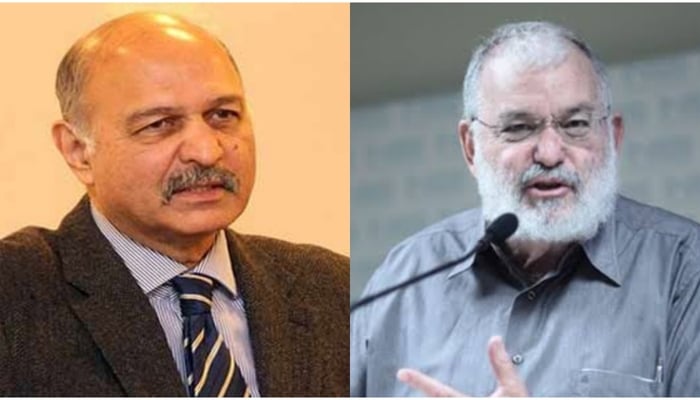
- Iran emerged in position of strength: Mushahid.
- Senator says US-Israeli strategy had “badly failed”.
- Amidror acknowledges most Israeli interceptions made by Arrow-3.
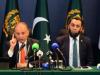
A heated on-air exchange between Senator Mushahid Hussain and a former Israeli national security adviser brought into focus the sharp divide over the ongoing Iran war, as Mushahid insisted that the conflict was part of a broader “Greater Israel” agenda and argued that Iran had emerged in a position of strength despite continued fighting.
The clash occurred during a televised debate on Al Arabia English, where participants discussed competing claims by the United States and Iran over a proposed peace deal, as well as the broader strategic balance in the conflict. The US and Israel launched strikes against Iran on February 28, creating regional and global challenges, particularly disruptions to oil supplies.
Former Israeli national security adviser and former Maj Gen Yakov Amidror defended Israel’s military campaign, arguing that operations were proceeding according to plan and significantly degrading Iran’s capabilities. He rejected claims that Israel was running low on defensive resources and insisted that the country could sustain military operations for weeks.
He also claimed that the situation inside Israel remained normal and said fewer interceptors had been used than initially expected. When challenged by Mushahid Hussain over the effectiveness of the Iron Dome, which has often been portrayed as nearly unbeatable, Amidror said the system was performing very well and claimed it had intercepted 90% of incoming attacks.
However, during the same exchange, he went on to acknowledge that the majority of interceptions had in fact been carried out not by the Iron Dome, but by Arrow-3.
In contrast, Senator Mushahid maintained that Iran had demonstrated resilience and strategic leverage, particularly through its control over the Strait of Hormuz. He said both Washington and Tel Aviv had miscalculated, and claimed that the conflict was part of a wider attempt to politically reshape the Middle East in line with what he described as a “Greater Israel” vision.
Mushahid further said that Iran held the upper hand in the war and argued that neither US President Donald Trump nor Jsraeli Prime Minister Benjamin Netanyahu could have imagined that Iran would still be standing firmly in the fourth week of the conflict with full force.
He also maintained that Iran had managed to keep the Strait of Hormuz effectively shut with considerable success, calling it a major strategic achievement that had exposed the weakness of the Israeli-American plan.
According to Mushahid, the US-Israeli strategy had “badly failed”, and he claimed that Trump was now compelled to seek peace after the conflict had not unfolded as Washington and Tel Aviv had expected.
The debate also featured US analyst Brandon Weichert, who warned that the conflict risked turning into a prolonged war of attrition, with mounting economic and political costs for the United States. He suggested that neither side appeared ready for meaningful negotiations, raising concerns of further escalation.
The exchange highlighted broader disagreements over whether Iran or the US-led alliance currently holds the upper hand, with conflicting narratives on military effectiveness, economic strain, and political resolve continuing to shape perceptions of the war.