India's false flag plan against Pakistan exposed by spy agencies, say security sources
Plan involved using Pakistani prisoners to stage an "incident" in border areas, say security sources
Published March 30, 2026
- Objective is to attribute a major action to Pakistan: sources.
- Move aimed at engaging Pakistan along eastern border: sources.
- Spy agencies decode India's secret communications: sources.
Intelligence agencies have exposed India's plan to conduct a false flag operation in Indian Illegally Occupied Jammu and Kashmir (IIOJK) involving Pakistani prisoners to create tensions along the border, security sources said on Monday.
The revelations emerged after intelligence agencies decoded India's secret communications indicating a plan to use Pakistani prisoners for a staged incident aimed at blaming Pakistan, they added.
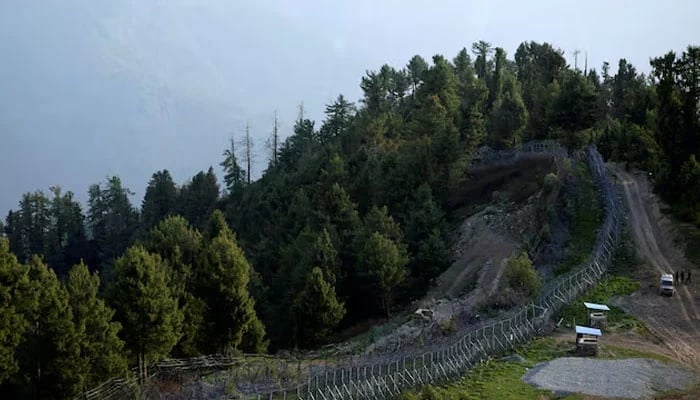
The plan involved freeing Pakistani prisoners and moving them towards border areas in IIOJK, where they could be used to stage an incident.
The objective, sources said, was to attribute a major action to Pakistan and justify escalation along the Pakistan-India border.
They added that such a move could be used to engage Pakistan's armed forces along the eastern border.
Pakistan and India went to war in May last year after India launched an unprovoked attack on Pakistan following the attack on tourists in the IIOJK.
New Delhi claimed that the terrorists who killed 26 tourists in IIOJK's Pahalgam were Pakistanis — a charge that Islamabad has denied and has also asked India to partake in a neutral investigation.
India followed the baseless accusations with unlawful missile strikes inside Pakistan, which resulted in the martyrdom of several civilians and security personnel.
Pakistan responded by downing seven Indian fighter jets, including three Rafale, dozens of drones, and destroying an S-400 defence system.
In addition to downing multiple Indian fighter jets, security forces launched a retaliatory strike, targeting over 20 Indian military sites across multiple regions.
The war between the two nuclear-armed nations ended on May 10 with a ceasefire agreement brokered by the United States.