Which countries are 'most at risk' from oil crisis amid Iran war?
Pakistan faces extreme economic risks due to reliance on oil, workers' remittances from Gulf states, shows report
Published April 01, 2026
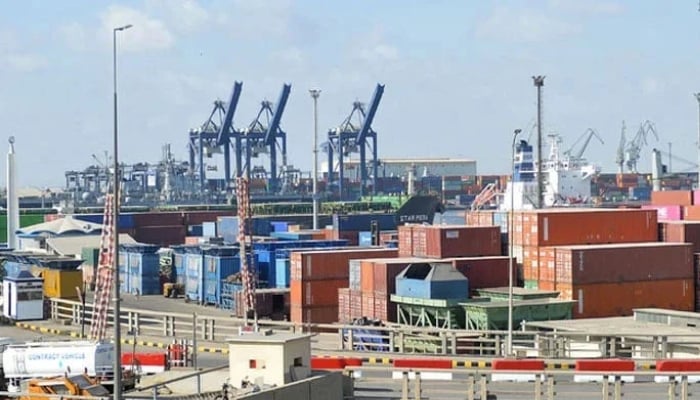
Pakistan is among the emerging markets facing the "most painful economic consequences" of the ongoing global oil crisis stemming from the ongoing war in the Middle East, according to a report published by The Economist.
Global energy and oil markets were upended after the United States and Israel launched joint strikes on Iran on February 28.
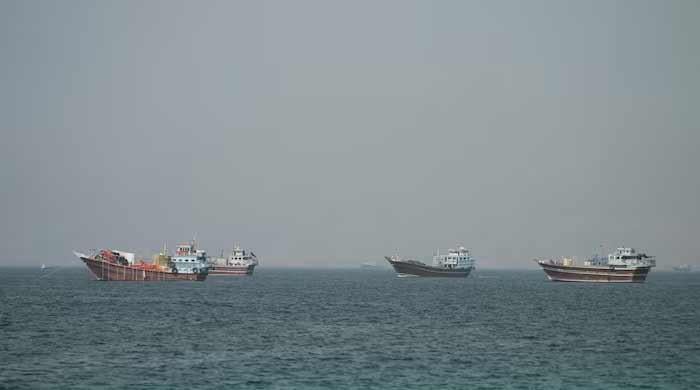
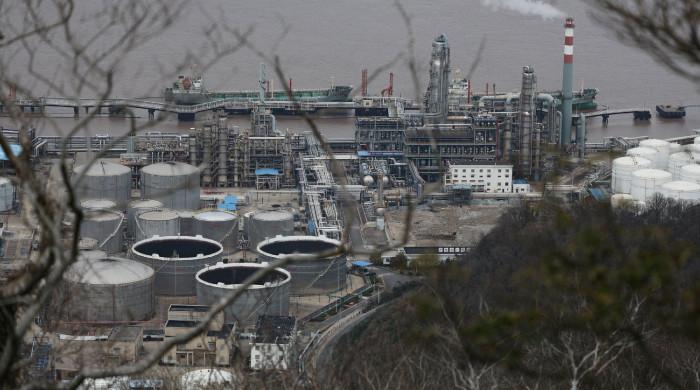
Tehran, in response, effectively blocked the Strait of Hormuz, a key shipping route, and hit oil refineries across the Gulf region.
The turmoil in the Gulf region has led to a spike in global oil and energy prices, with countries around the world rushing to ration fuel and energy.
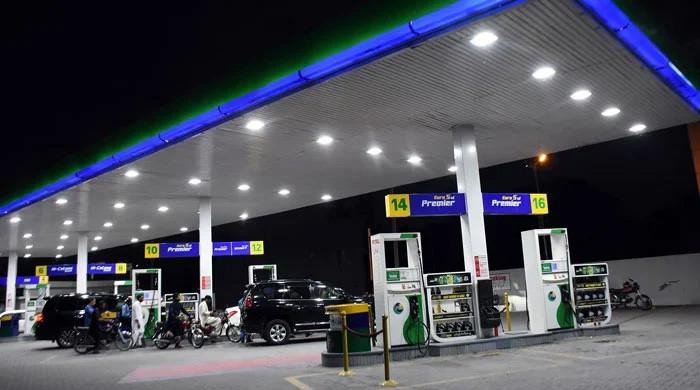
Pakistan, ranked in the list of emerging markets "most at risk", has also rolled out a wide-ranging austerity and fuel conservation plan.
The federal government rolled out the plan after announcing a sharp increase of Rs55 per litre in the price of petrol and diesel on March 6.
The prices have since been kept steady, with officials saying the government would absorb any increase in global oil prices.
Meanwhile, The Economist report warned that the nation of over 240 million is facing risks to its economy amid the ongoing war in the Middle East due to its fragility and dependence on oil from Gulf nations.
According to the report, Islamabad also relies on expatriates sending remittances from the Gulf countries apart from oil.
Pakistani citizens working in the Gulf states send home remittances equivalent to 5% or more of the country's GDP, the report said.
In addition to the risk of reduced overseas workers' remittances due to the Iran war, Pakistan's foreign exchange reserves are also well below the International Monetary Fund's (IMF) recommended minimum, it added.
The country's foreign reserves cover less than three months of imports.
The report also listed Egypt, Jordan and Ethiopia on the list, with the latter two also heavily dependent on oil and gas from the Gulf.
Jordan's economic condition is similar to Pakistan's, with high debt and reliance on the Gulf for oil, gas and remittances.
Cairo, meanwhile, faces the consequences of its weak economy as it needs to repay around $29 billion of its debt this year, more than half its foreign exchange reserves.
The report warned that the four countries could still face painful economic consequences even if they manage to avoid a macroeconomic crisis.