US, Iran signal resumption of peace talks in Islamabad later this week
Trump says Iran talks could resume in Pakistan within two days; Tehran expresses readiness for further negotiations
Published April 14, 2026
- Both sides signal readiness to resume stalled negotiations.
- Proposal shared for delegations to restart negotiations: report.
- Iran, US held first direct talks in Islamabad in over decade.
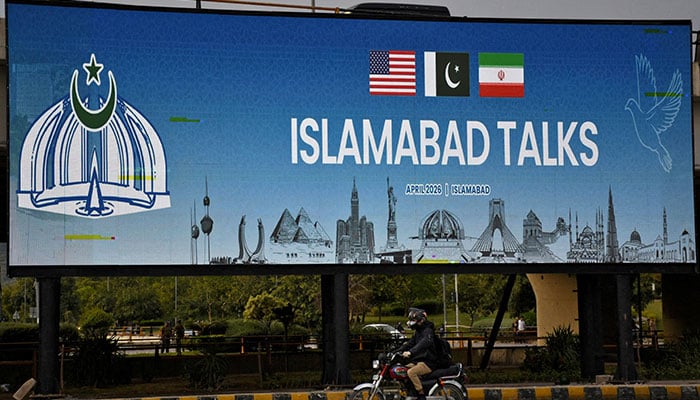
Pakistan is expected to host a second round of US-Iran talks later this week, as both sides signal willingness to revive diplomacy despite the first round ending without agreement.
Fresh diplomatic signals from Washington and Tehran have strengthened expectations that Islamabad could once again serve as the venue for renewed negotiations.
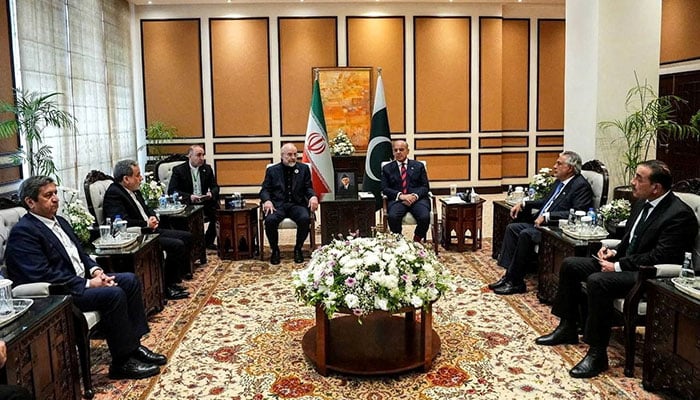
The previous meeting in Islamabad, held three days after last Wednesday's ceasefire announcement, marked the first direct encounter between American and Iranian officials in more than a decade and the most senior engagement since Iran's 1979 Islamic Revolution.
The first round of US-Iran talks, hosted by Pakistan, brought together senior delegations in intensive, closed-door discussions aimed at ending weeks of conflict. The trilateral Islamabad talks lasted nearly 21 hours after beginning on the afternoon of April 11, reflecting the complexity and high stakes involved.
Following inconclusive discussions, tensions escalated as US military action targeted Iranian maritime movements, while Tehran warned of retaliation against regional shipping routes and Gulf infrastructure.
Iranian officials told Geo News that they are ready for further talks, although it remains unclear whether the United States is equally prepared. They added that Pakistan would be their preferred venue if a second round of negotiations takes place.
Similarly, US President Donald Trump told the New York Post that Iran talks could resume in Pakistan within the next two days. "You should stay there, really, because something could be happening over the next two days, and we're more inclined to go there," he was quoted as saying.
He also praised Field Marshal Asim Munir, Chief of Defence Forces (CDF) and Chief of Army Staff (COAS), saying he was doing a "great job" in facilitating the discussions. "He's fantastic, and therefore it’s more likely that we go back there [Pakistan]," Trump added.
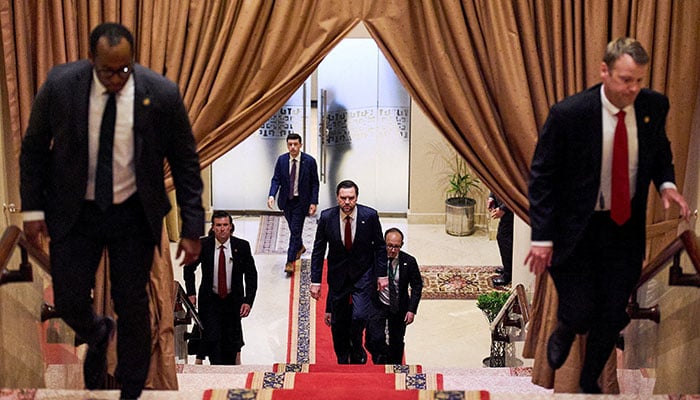
Separately, a proposal has been shared with both Washington and Tehran to send delegations for the resumption of talks, Reuters reported, citing sources, as Islamabad continues coordinating with both sides on the timing of the next round, which could take place over the weekend.
Renewed outreach to Tehran has reportedly received a positive response, with Iranian officials indicating openness to a second round of talks, while a senior Pakistani official confirmed that contact has been established with Iran, which has signalled willingness to proceed through continued diplomatic channels.
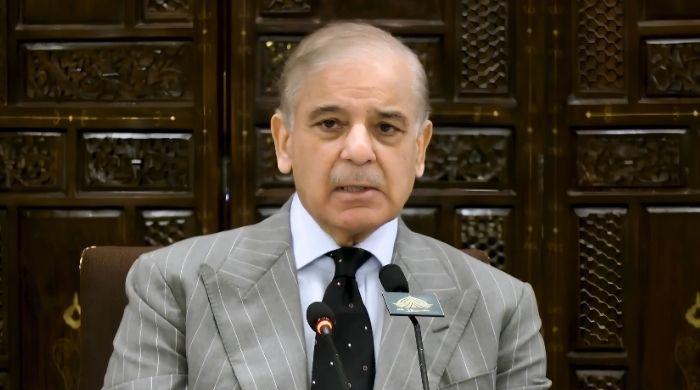
These developments echo Prime Minister Shehbaz Sharif's earlier remarks, in which he noted that although the first round of US-Iran talks in Islamabad remained inconclusive, Pakistan's efforts to bridge differences between the two sides are continuing, with diplomatic channels actively engaged.
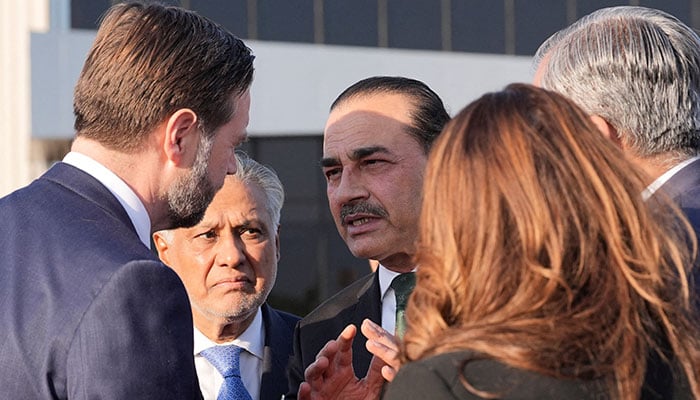
He told the federal cabinet a day ago that Pakistan played a key role in bringing the two sides to the negotiating table, marking their first direct face-to-face engagement at such a high level.
He added that Pakistan's efforts had helped sustain the two-week ceasefire, while diplomatic attempts were continuing to resolve outstanding issues between Washington and Tehran.
The conflict in the Middle East began on February 28 when the United States and Israel launched a joint bombing campaign against Iran. The situation escalated further as Iran disrupted the Strait of Hormuz and carried out attacks on Israeli and US targets across the region.
The war has disrupted global financial markets and caused thousands of civilian deaths, primarily in Iran and Lebanon.
— Additional input from Reuters