Resurgent diplomacy
Pakistan’s diplomatic momentum has acquired renewed urgency
Published April 18, 2026
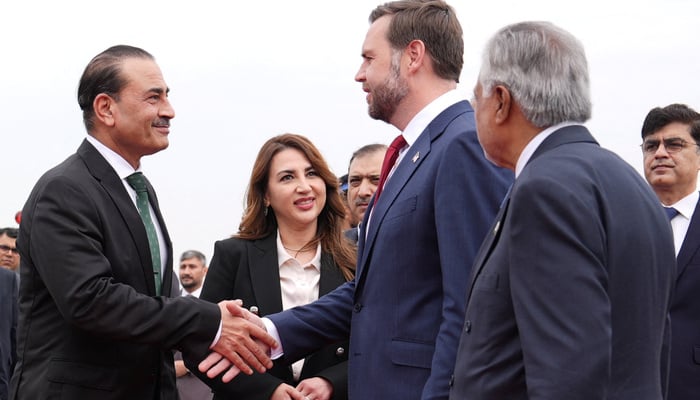
In an increasingly fractured world, Pakistan has re-emerged with quiet dignity as a credible voice for peace. At the heart of this resurgence lies cohesive leadership, spearheaded by COAS-CDF Field Marshal Asim Munir and Prime Minister Shehbaz Sharif, whose resolve has guided Pakistan towards a long-overdue role as a peace mediator.
For decades, Pakistan’s geopolitical identity was confined to a narrow prism of security challenges and regional turbulence. Today, that image is being recast. Pakistan is no longer merely reacting to the tempests of geopolitics; it is learning to navigate them and, where possible, calm their fury.
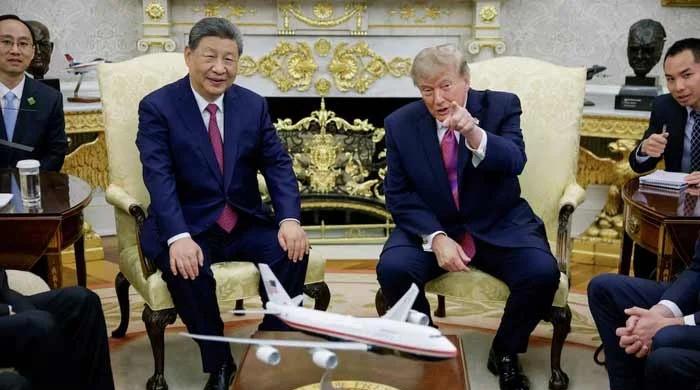
Through measured engagement and quiet diplomacy, Pakistan has positioned itself as a trusted interlocutor, with both the US and Iran reposing confidence in its discretion amid ongoing, fragile negotiations. Yet the path of peace is seldom linear. The mercurial disposition of US President Donald Trump, alongside the entrenched and increasingly aggressive posture of Israeli Prime Minister Benjamin Netanyahu, continues to cast a long and uncertain shadow over efforts at reconciliation.
Under Netanyahu, Israel’s actions have reflected a pattern of calculated provocation, a readiness to ignite flashpoints rather than defuse them. The repeated resort to military force, cloaked in the language of security, has perpetuated cycles of instability and human suffering. Such conduct bears the imprint of a strategy less concerned with peace than with sustaining controlled hostility. This grim reality was laid bare at the outset of the Islamabad Talks, when Israel’s strikes in Lebanon cast a dark shadow over proceedings – a stark reminder of how easily confrontation can attempt to sabotage the fragile architecture of peace.
Yet, in the face of disruption, Pakistan stood firm. With composure reflecting clarity of purpose, it ensured that the conference continued uninterrupted. This was a quiet but powerful act of defiance against those who seek to derail peace through escalation. Pakistan’s resolve sent an unmistakable message: dialogue will not be silenced by aggression. To earn Washington’s trust is to demonstrate consistency; to retain Tehran’s confidence is to embody balance. That Pakistan has walked this delicate tightrope reflects a diplomacy both supple and steadfast. It is, in many ways, the art of statecraft at its finest.
Central to this evolution is the leadership of Field Marshal Asim Munir, whose stewardship reflects a rare synthesis of strength and subtlety. Under his guidance, Pakistan’s security paradigm has expanded, recognising that true strength lies not only in arms, but in restraint. Complementing this is Prime Minister Shahbaz Sharif’s energetic diplomacy, which has carried Pakistan’s message across continents with renewed clarity. His outreach, emphasis on economic cooperation and advocacy for peaceful coexistence have added depth to international engagement. Together, Pakistan’s civil and military leadership present a rare alignment of purpose, lending credibility and continuity to Pakistan’s voice.
Pakistan’s voice for peace carries a distinctive resonance, for it emanates not from vulnerability but from strength. As a declared nuclear power, it is fully conscious of the devastating calculus of modern warfare. This awareness lends moral weight to its advocacy. Nations that possess such capability yet choose restraint speak with undeniable authority. Pakistan understands that power, tempered by wisdom, becomes a force for stability.
The events of May 2025, when Pakistan demonstrated the prowess of its armed forces in conflict with India, further highlighted this reality. Having exhibited capability and resolve, Pakistan has made clear that while it remains prepared to defend its sovereignty, it does not seek conflict as policy. War may be endured, but it remains the most ruinous of human endeavours; peace is indispensable. A noteworthy manifestation of this diplomatic spirit was the Islamabad Talks. Though they did not yield an immediate breakthrough, they rekindled hope, reminding the world that dialogue remains possible. More importantly, the talks established a template for future engagement.
Importantly, this resurgence is unfolding alongside an encouraging economic revival. After years of strain, Pakistan’s economy is beginning to find its rhythm. This dual progress – of diplomacy and economic recovery – forms a reinforcing cycle. A stabilising economy strengthens diplomatic credibility, while global standing opens doors for trade and investment. Pakistan appears to be rediscovering not only its voice, but also its direction.
In a development as timely as it is significant, Pakistan’s diplomatic momentum has acquired renewed urgency. In a surprise yet astute move, Field Marshal Asim Munir arrived in Tehran, while Prime Minister Shahbaz Sharif embarked upon a crucial visit to Saudi Arabia, Qatar and Turkiye. These parallel engagements represent a calibrated diplomatic thrust at a moment when regional currents appear receptive to reconciliation.
The symbolism of these synchronised visits is profound. Tehran and Riyadh, long-standing poles of influence, have often shaped the region’s strategic landscape through their divergences. That Pakistan is engaging both reflects diplomatic confidence and recognition of their pivotal role in any lasting peace arrangement.
There is now a palpable sense of anticipation. Quiet optimism is giving way to the expectation that recent efforts may culminate in a defining moment for regional stability. Indications suggest that Islamabad may soon host a landmark peace summit to formalise a long-awaited truce – an achievement that would firmly place Pakistan at the centre of a consequential peace process.
Equally noteworthy is Pakistan’s alignment of diplomacy with economic aspirations. Stability opens trade corridors, attracts investment and creates conditions for growth. Pakistan is positioning itself to translate this relevance into tangible dividends for its people. This convergence reflects maturing statecraft – one that understands that the true measure of diplomacy lies in the prosperity it brings to the common citizen. Success will not be judged in communiques alone, but in improved lives, opportunities created and hope restored.
Thus, as these engagements unfold across Tehran and Riyadh, Pakistan stands at a transformative juncture. If steered with wisdom, this fragile moment may yet ripen into history, in which Pakistan stands not at the margins of peace but at its very heart.
The writer is a former inspector general of police and a former ombudsman, Sindh.
Originally published in The News