Germany, France end $116B fighter jet project: What went wrong?
The jet was supposed to be supported by drones and linked by a classified 'combat cloud' network
Published June 09, 2026
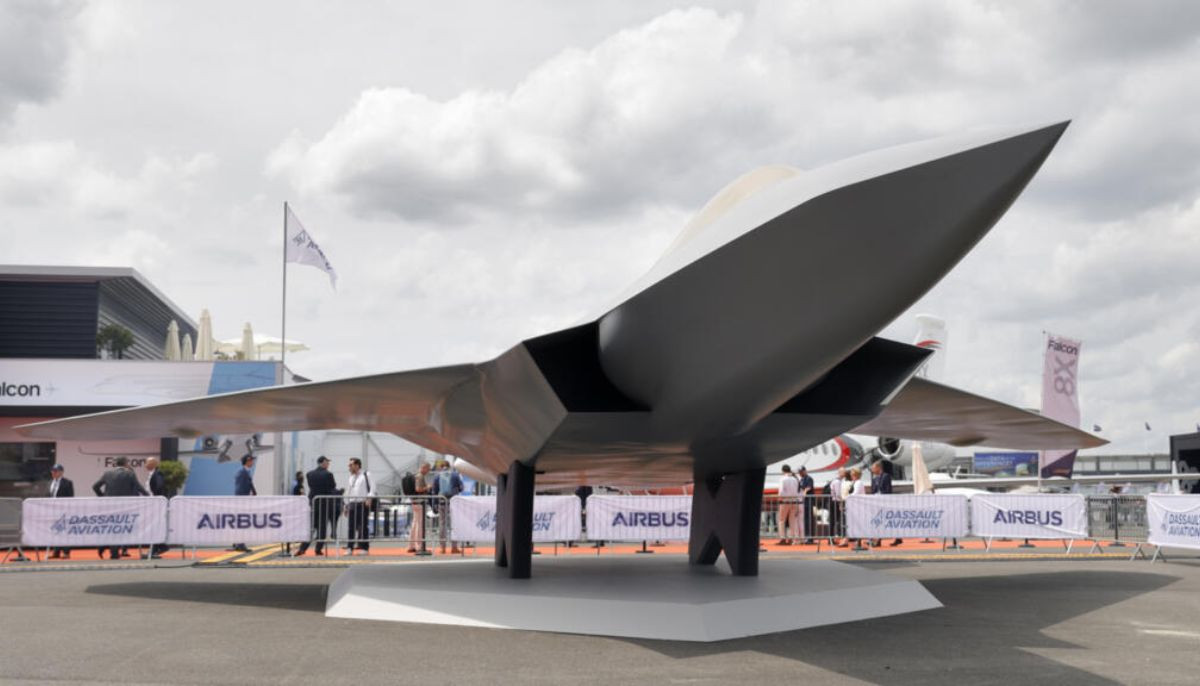
Germany and France have agreed to drop their $116 billion joint fighter jet project after nine years following no substantial progress in building the new-generation aircraft.
The project officially launched in 2017 by French President Emmanuel Macron alongside the then German Chancellor Angela Merkel, was thoroughly discussed by current German Chancellor Friedrich Merz and the French leader during the recent EU-Western Balkans summit in Montenegro.
The two leaders concluded that their joint venture, which included Spain as well, had no prospects of a breakthrough, prompting them to scrap the multi-billion dollar initiative.
According to Reuters, the development comes after months of deadlock about the building of fighter jets between France's Dassault Aviation and European aerospace group Airbus, representing both Germany and Spain.
The two sides struggled to reach an agreement over specifications and control of the proposed jet, which was supposed to be supported by drones and linked by a classified “combat cloud” network.
Cloud combat in European defence is a critical, multi-billion-euro initiative aimed at achieving digital sovereignty by securely connecting manned platforms, including drones and command centers across air, land, and sea.
It seeks to end the reliance on U.S. cloud providers, which pose "kill switch" risks, by building unified, EU-controlled architectures.
Experts argue that failure of the joint program highlights the issues Europe is facing to rebuild its military capacity, particularly at a time when the Union is facing intensifying threats from Russia amid the ongoing Ukraine War.
A senior fellow for military aerospace at a think tank named IISS said, “It’s hardly ideal signalling either to Washington or Moscow.”