Why does Zohran Mamdani ban AI in NYC schools?
New York City mayor Zohran Mamdani bans AI in elementary and middle schools
Published September 03, 2026
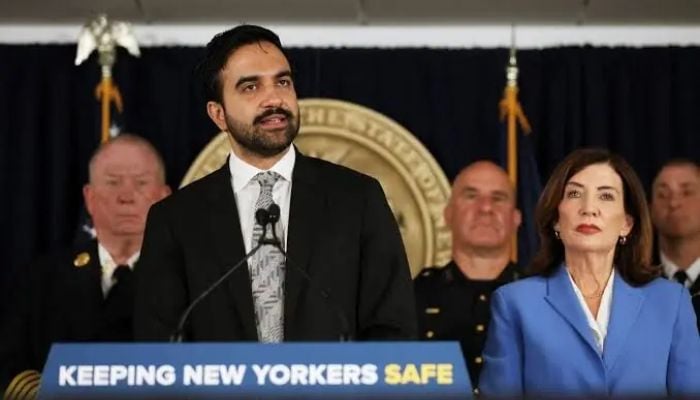
New York City Mayor Zohran Mamdani’s decision to ban generative AI for K-8 students stems from a fundamental belief that technology shouldn’t replace human connection in education.
While announcing the ban on Wednesday, September 2, he made his stance clear: “Children need teachers and human connection to learn and grow. They need to develop skills alongside their peers, build relationships with educators, and wrestle with tough problems on their own.”
He also clarified that the mayor argued that the narrative pushed by tech giants that AI-assisted early education is “inevitable” and “necessary” is misleading. He added: “Just because technology is everywhere doesn’t mean that it belongs everywhere.”
He also pointed out that “I have yet to see a study showing that AI is beneficial for students in elementary and middle school.”
This initiative is built on a protection approach to childhood development. Mamdani compared it to New York’s cellphone ban in schools, arguing that younger students lack the critical thinking skills to navigate AI responsibly.
The one-year moratorium enables time to determine “whether AI helps or hinders learning” before exposing young children to unproven tools. The same vision was also reinforced by Schools Chancellor Kamar Samuels, who shared a similar narrative: “We’re putting guardrails in place to protect the human connection, curiosity, and creativity that help children grow. Innovation doesn’t mean more technology.”