Super El Nino could push 49 million more people into hunger as aid cuts bite
The effects of Super El Nino will not be limited to poorer countries
Published September 05, 2026
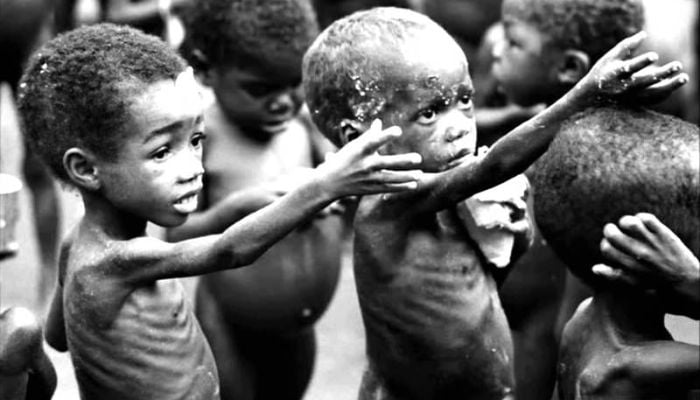
A powerful El Nino developing in the Pacific could push another 49 million people into hunger around the world, with Africa and Asia expected to take some of the hardest hits.
The weather event is already unusually strong and forecasts suggest it could become the strongest El Nino ever recorded.
Sea temperatures in the central and eastern tropical Pacific are already around 2.6C above normal for the event. Forecasts suggest the figure could reach about 4C in November.
That matters because El Nino can seriously change weather patterns around the world.
Parts of East Africa are expected to face heavy rain and flooding, while southern Africa could see worsening drought. India has already experienced unusually weak monsoon rains, while Indonesia is dealing with major wildfires.
For millions of people who depend on farming, the timing could be particularly bad.
The World Food Programme estimates that the weather event could push an additional 49 million people into hunger. It is happening at a time when humanitarian organisations are already struggling with a shortage of money.
The WFP says it needs about $13 billion this year to deal with emergency food needs but expects to receive only around half of that. Britain is also cutting its overseas aid, adding to concerns about how poorer countries will cope with the coming weather shocks.
The UK is reducing bilateral aid to eight African countries by more than 80%, according to The Independent.
The effects will not be limited to poorer countries either.
In Britain, the Met Office expects a wetter and stormier winter, while food prices could also be affected. Around a quarter of Britain's food imports, including coffee, cocoa, rice and tropical fruit, come from regions particularly exposed to El Niño.