Asteroid crash on moon created crater bigger than Roman Colosseum, NASA finds
Asteroid hit moon in rare once-in-a-century event, leaving massive new crater
Published September 17, 2026
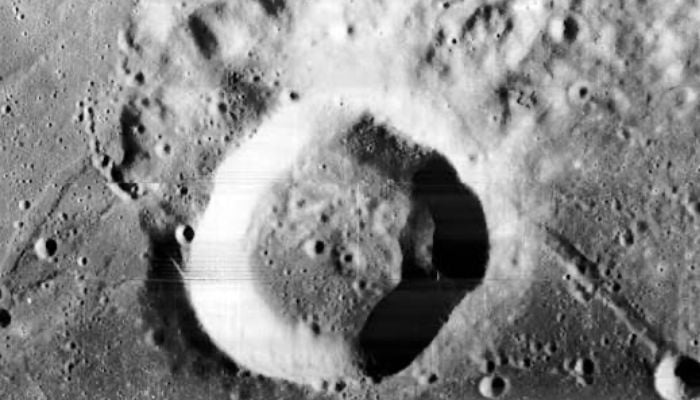
NASA scientists have discovered the largest newly-formed crater ever found in the solar system.
It was created when an asteroid fragment the size of a six-storey building slammed into the moon two years ago.
The steep-sided crater, named McGetchin after pioneering lunar scientist Tom McGetchin, measures about 728 ft (222 meters) across and up to 141 ft (43 meters) deep.
It formed on the Moon’s eastern edge sometime between April 11 and May 22, 2024, but initially went undetected by telescopes on Earth and in space.
Robert Wagner, an image-processing specialist with NASA’s lunar reconnaissance orbiter, spotted the crater during a routine data-quality check in October 2025.
Wagner said: “I just stopped, dropped everything, and started looking into what that spot was.”
The asteroid impact churned the lunar surface for more than 66 miles (100 kilometres), hurling dust and rocky soil at higher angles than expected. Researchers also recognised a 4-mile-wide “cold spot” around the crater, where fluffed-up soil makes the surface about 16 degrees Fahrenheit cooler at night.
Scientists confirm that such large-scale impacts occur only once every 132 years, making this discovery crucial as NASA prepares to build a base for astronauts on the moon’s south pole.
For now, scientists are calculating the risk of ejected material striking the planned base.