Merriam-Webster dictionary adds 1,400 new Gen Z words: See popular slangs now official
Merriam-Webster dictionary embraces Gen Z culture reflecting modern life and social media
Published September 21, 2026
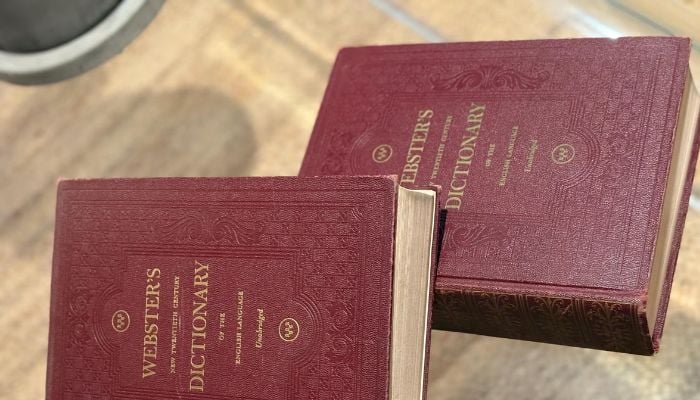
Merriam-Webster has added 1,400 new words and definitions to its online dictionary, embracing new slang widely used by social media, technology, and modern culture.
The Springfield, Massachusetts-based publisher announced on Tuesday, September 22, that the new entries suggest words that have “demonstrated widespread use over time, offering a window into the world today.”
America’s oldest dictionary company added words that drive major social media culture, including looksmaxxing, parasocial, glow up, rickroll, meme coin, and promposal.
Looksmaxxing refers to the practice of taking extreme measures to improve physical appearance, while parasocial is a one-sided connection to a public figure. Glow-up, on the other hand, is a dramatic enhancement in appearance, and Rickroll is the internet prank redirecting users to Rick Astley’s 1987 music video.
Terms related to artificial intelligence are also added, like vibe coding, AGI (artificial general intelligence) and a new noun form of compute.
Food-related words are superfood, cakepop, shishito, bao, and chilli crisp. Relationship terms like cuffing season, Sunday scaries, crashout, copium, California sober, and yacht rock are also officially included in the dictionary.
Other major entries are Mandela effect (a shared false memory), trashpanda (a raccoon), shapewear, neckbeard, and letterboxing, which received a new digital meaning.
The Merriam-Webster stressed that words are not added simply because they went viral. Editors look for sustained, widespread use across industries or regions before granting an entry. The publisher noted: “If it’s a trendy flash in the pan that comes and goes, we don’t enter it into the dictionary.”