Weather alert: Powerful nor'easter threatens US coast with flooding
Nor’easter could bring flooding, 18-ft waves, and travel disruptions to US east coast
Published September 22, 2026
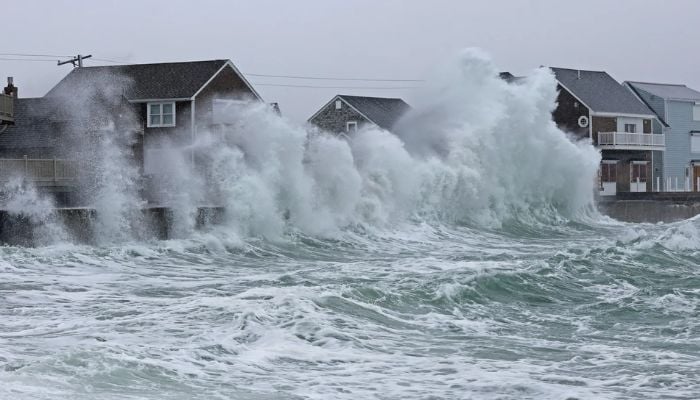
A developing nor’easter is forecast to bring dangerous coastal flooding, heavy rain, and powerful winds to millions along the U.S. East Coast late this week.
The forecast warned that it can become a “massive event” for New England as well. It is estimated that the high pressure near the Great Lakes and low pressure moving north along the coast will intensify the winds between them.
The European model brings the storm closer to shore with higher winds, rain, and surf, while the GFS model keeps it farther offshore and weaker.
As reported by Fox Weather, the coastal flood risks will increase from North Carolina’s Outer Banks to New England through Wednesday. A Coastal Flood Advisory is issued for parts of the Mid-Atlantic, where some coastal roads could become impassable.
The Outer Banks may also be hit by major coastal flooding along with 40-50 mph wind gusts and offshore waves of 15-18 ft. Major beach erosion and dune damage are expected from the Outer Banks through Long Island.
By Thursday and Friday, the storm is set to strengthen off the Southeast and Mid-Atlantic coasts. Elevated tidal flooding could spread across North Carolina, Virginia, Maryland, Delaware, New Jersey, and into southern New England.
The worst situation will arrive Saturday in southeastern New England. AccuWeather warns Boston could receive 6-8 inches of rain, with Cape Cod possibly getting up to a foot. If the low tracks near Boston, the region may face 60-70 mph gusts, major storm surge, and severe disruptions to Boston Harbor and the Massachusetts coastline. The storm can even take on tropical-storm characteristics.
If the system shifts closer to New Jersey and Long Island, New York City could see heavy rain on Friday and Saturday. Residents with travel plans are urged to stay alert as the forecasts evolve.
What is a nor’easter?
A nor’easter is a powerful storm that forms along the U.S. East Coast, usually between late fall and early spring. The name comes from the strong northeast winds that blow onshore ahead of the storm. It forms when a low-pressure system develops off the East Coast, often near the Carolinas or Mid-Atlantic.