PPI hits four-year high as US wholesale inflation surges
Wholesale prices rose 6.3% in the year ending in September
Published October 15, 2026
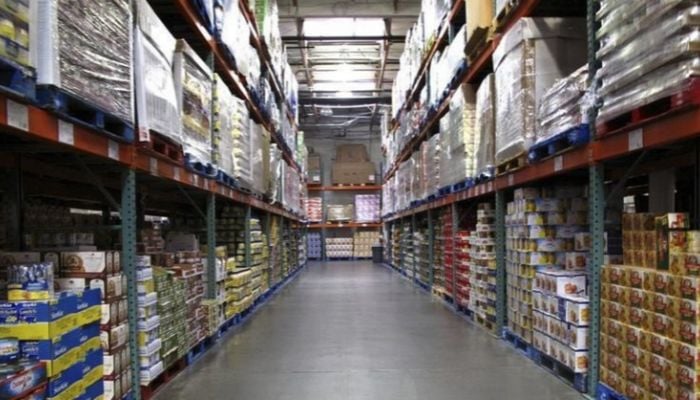
Wholesale prices in the United States increased rapidly in September as producer prices rose at the fastest pace in over four years due to a surge in fuel prices.
The Producer Price Index (PPI), which tracks prices businesses receive for their products and services, ticked up 1.3% from August, the Labor Department reported Thursday. The rise was larger than economists had predicted, at 0.5%, and the biggest since March 2022.
Wholesale prices rose 6.3% in the year ending in September, compared with 5.6% in August. This was the highest rate of growth since December 2022.
Much of the monthly increase was due to energy costs. The final-demand goods index, which is the most comprehensive measure of goods prices, increased 2.6%, the largest gain since the series started in December 2009, and energy prices increased 10.8%, their highest level since the same period in 2008.
Of this 20.3% rise in goods prices, half was due to gas prices. Food prices also increased 1.2% following a decrease in August.
The inflationary pressures spread from goods. Service costs ticked up 0.8% in September as partly higher wholesaling margins and transportation costs.
The report comes on the heels of separate data released Wednesday that also indicated consumer inflation had started picking up. The CPI was up 3.7% on an annual basis as of September, up from 3.4% on the year through August, and gasoline prices were up 9.1% for the month.
The new data makes it more difficult for the Fed to pull inflation back down to its 2% target. The increased cost of production can also work its way through the supply chain to consumers—though some of the cost increases may be borne within the firm.
But a gauge of producer prices excluding food, energy and trade services ticked up 0.5% in September and is 5% higher than a year earlier, suggesting that the inflationary pressure was not just limited to fuel.
The wholesale and consumer inflation rates are now both rising, putting renewed pressure on policy makers to maintain elevated interest rates, as they watch for the energy shock to head downstream into the rest of the economy.