Pakistan sends aid to Sri Lanka via sea after India denies airspace access
PM Shehbaz extends heartfelt condolences to bereaved families in Sri Lanka
Published December 02, 2025
- More than 360 missing in Sri Lanka.
- Sri Lanka seeks international aid.
- Rescuers expect death toll to rise.
Pakistan has sent 200 tonnes of humanitarian aid to Sri Lanka via sea route, hours after India denied permission to use its airspace, forcing a longer journey around the subcontinent.
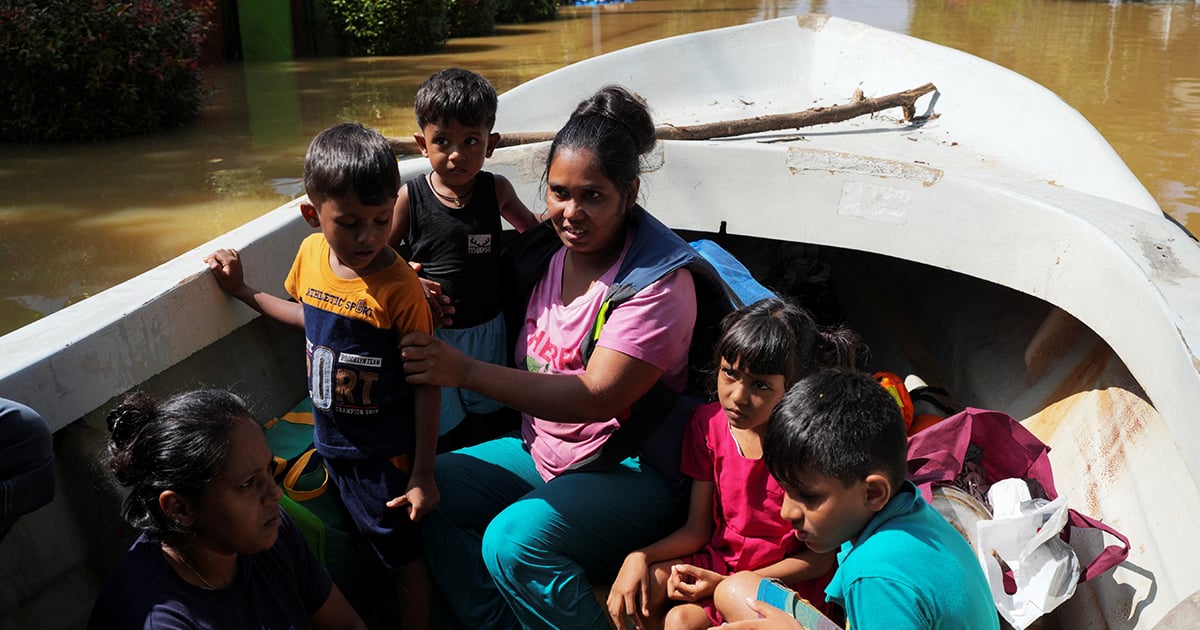
At least 465 people have been killed as a result of last week’s cyclone, another 366 remain missing, and though the rain has stopped, recovery has just begun. President Anura Kumara Dissanayake declared a state of emergency and called for international support.
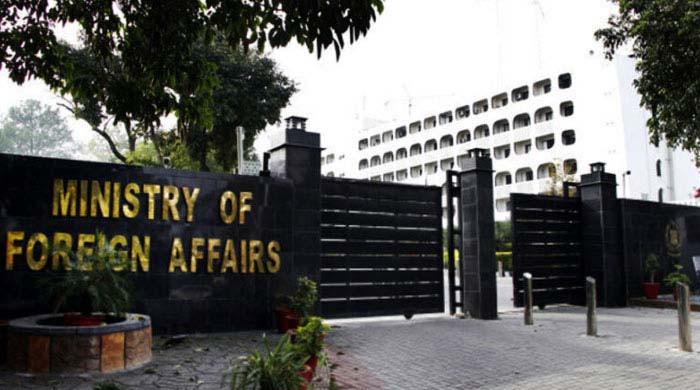
“Pakistan has dispatched 200 tons of humanitarian assistance to Sri Lanka via sea cargo to support relief efforts following the devastating cyclone Ditwah,” the Foreign Office said in a statement.
The Ministry of Foreign Affairs said that a send-off ceremony was held in Islamabad, attended by Bilal Azhar Kayani, Minister of State for Finance and Admiral Ravindra C Wijegunaratne, High Commissioner of Sri Lanka to Pakistan.
“Pakistan stands in full solidarity with the people of Sri Lanka,” the statement concluded.
Meanwhile, Prime Minister Shehbaz Sharif held a telephonic conversion with Sri Lankan President Anura Kumara Dissanayake and convey his deepest sorrow over the tragic loss of life and property due to the devastation caused by Cyclone Ditwah.
Taking to his official X handle, PM Shehbaz said that he extended his heartfelt condolences to the bereaved families and commended the swift and courageous efforts of Sri Lankan authorities and rescue teams in these extremely difficult conditions.
“As a neighbor and brotherly country, Pakistan has always stood in full solidarity with Sri Lanka, especially in moments of grief,” the premier added.
Rescuers expect the death toll to rise as they regain access to areas that had been cut off from electricity and telephones for days.
The disaster is already the deadliest since the Boxing Day earthquake and tsunami of 2004, which devastated Sri Lanka’s coastline.
This time, the entire country has been affected either by landslides or floods. The Disaster Management Centre said that over 1.5 million people were affected.
Meanwhile, torrential monsoon season deluges paired with two separate tropical cyclones last week dumped heavy rain not only in Sri Lanka but parts of Indonesia’s Sumatra, southern Thailand and northern Malaysia.
Governments and aid groups in Indonesia and Sri Lanka worked to rush aid to hundreds of thousands stranded by deadly flooding that has killed more than 1,300 people in four countries.
Climate change is producing more intense rain events because a warmer atmosphere holds more moisture, and warmer oceans can turbocharge storms.