Elon Musk's Neuralink to face challenger, and it's more advanced
Max Hodak helped shape Neuralink’s early engineering and left company in 2021
December 06, 2025
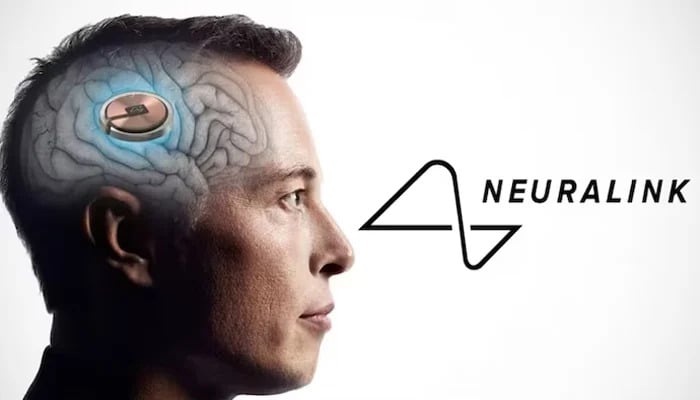
Elon Musk's Neuralink has really developed something called state-of-the-art, progressing from brain-chip trials to full-fledged Neuralink implants, but now it's going to face stiff competition from Max Hodak, the company’s co-founder and former president, who now leads a fast-rising rival, Science Corp.
Having helped shape Neuralink’s early engineering breakthroughs, Hodak left the company in 2021 and has since assembled a team that comprises three former Neuralink colleagues, pushing brain-computer interface (BCI) technology in a new direction.
What makes Science Corp a formidable contender against Neuralink is its Prima, a rice-sized retinal implant that restores “form vision” to people with advanced macular degeneration. Paired with camera-equipped glasses, the implant has shown remarkable results, with 80% of 38 trial participants being able to read again, two letters at a time.
Originally developed by the French firm Pixium Vision before Science Corp refined it, Hodak's Neuralink-rivalling technology was recently spotlighted in Time magazine.
The company has raised $260 million and is already generating revenue by selling compact neuroscience tools to researchers. But its bigger bet is optogenetic gene therapy, which aims to make surviving retinal cells responsive to light without electrodes.
Hodak says Science Corp.’s proteins outperform competitors, further improving the startup's standing in the face of Neuralink’s vision of the future.
TechCrunch reported that nearly 700 companies worldwide are actively engaged in BCIs, meaning competition is intensifying.
China, meanwhile, has announced a strategic plan to dominate the BCI industry by 2030.
As Neuralink continues to advance implanted BCIs, Hodak’s Science Corp. seems all set to offer a more immediate and more sophisticated alternative.
Having completed trials in Europe, Hodak is expecting a commercial launch next summer, depending on regulatory approvals.