Elon Musk's SpaceX rocket explosion endangers three passenger planes
U.S. officials confirmed that three passenger flights were in jeopardy when Starship test flight exploded
Published December 21, 2025
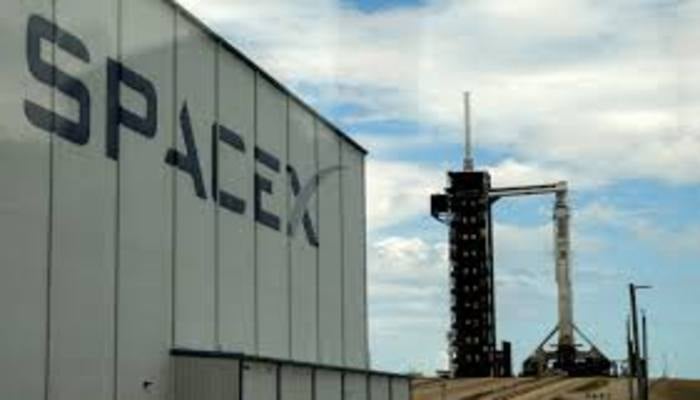
In an unfortunate development surrounding Elon Musk's foray to explore life beyond Earth, a recent SpaceX test flight rocket explosion endangered several passenger jets flying over the Caribbean.
Occurred less than ten minutes after it lifted off, the seventh Starship test flight posed a serious threat to air traffic, with U.S. officials confirming that three passenger flights were in jeopardy during the incident.
Endangered U.S. flights include a JetBlue plane destined for San Juan, carrying a total of 450 passengers across the three affected aircraft.
The crew of the JetBlue aircraft was informed that their flight would be “at your own risk” due to the potential for scattered debris from the explosion, which prompted the pilot to make a critical decision: navigate through the rocket debris or risk running out of fuel over the ocean.
According to The US Sun, air traffic controllers rushed to establish a temporary no-fly zone as they struggled to ensure the safety of the three packed passenger flights.
When instructed to declare an emergency landing, one pilot responded with a “Mayday” call.
In addition to the JetBlue flight, an Iberia Airlines flight and a private jet met with similar challenges.
Fortunately, all three planes landed safely despite declaring fuel emergencies, although controllers intervened to prevent two planes from coming too close to each other.
Falling debris from the concerned SpaceX rocket was captured on camera shortly after the test flight, and the FAA reported that SpaceX failed to immediately notify air traffic controllers about the incident.
In February, an investigation was initiated by the FAA into how debris from such explosions can be managed.