All major highlights of CES 2026: Here's everything about PCs, robotics, AI and more
Published January 07, 2026
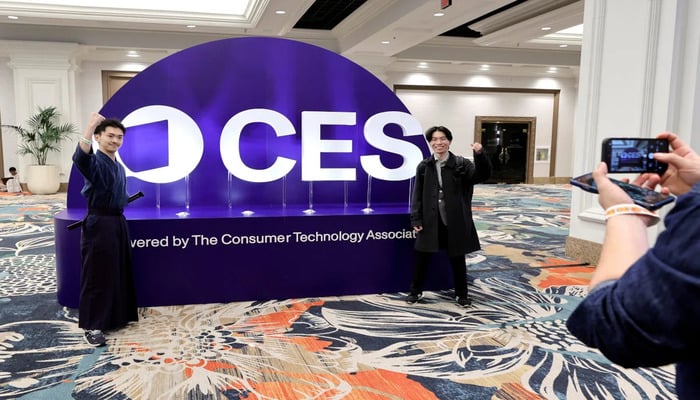
CES 2026 continues to be a banger as we speak in Las Vegas, showcasing the latest innovations from major players like Nvidia, AMD, and Razer.
Nvidia reveals AI model for autonomous vehicles
Nvidia's CEO Jensen Huang provided a comprehensive overview of the company’s AI-driven initiatives, unveiling the Rubin computing architecture designed to meet the growing demands of AI applications. Set to replace the Blackwell architecture later this year, Rubin comes with impeccable speed and storage enhancements.
The GPU developer also showcased its Alpamayo family of open-source AI models, which will be utilised in autonomous vehicles, establishing the company's infrastructure as a standard in robotics.
AMD’s keynote highlights new processors and partnerships
AMD's keynote at CES 2026 featured collaborations with industry leaders like OpenAI President Greg Brockman and AI expert Fei-Fei Lei. It was focused on expanding AI capabilities in personal computing through the new Ryzen AI 400 Series processors, aiming to enhance user experiences.
Boston Dynamics and Google partner on Atlas robots
Hyundai's partnership with Boston Dynamics and Google was another noteworthy highlight of CES 2026, revealing efforts to train and operate Atlas robots, including a new iteration showcased on stage. This team-up marks a commitment to advancing robotic technology.
Amazon expands Alexa
In a bid to integrate Alexa deeper into users' smart households, Amazon introduced Alexa+, which includes a new platform, Alexa.com, for Early Access customers, alongside an updated app. Amazon also announced updates to Fire TV and new Artline TVs, as per TechCrunch.
Razer joins AI deluge with project AVA and Motoko
Ditching the traditional ways of making waves at CES 2026, Razer launched Project Motoko, a smart device concept that operates like smart glasses without any physical eyewear, and Project AVA, packed with an AI companion avatar for users' desktops.
Lego Smart Bricks showcased at company's first CES appearance
Lego made its CES debut with the Smart Play System, featuring interactive bricks and Minifigures that make Lego play more engaging, while marking its entry into the tech scene.
Following a huge array of press conferences, CES 2026's show floor has been opened to the public, with a strong focus on AI alongside traditional hardware advancements.