Reaction or disruption?
Terrorists target capitals when they are confident, not desperate; attack this close to Islamabad signals intelligence failure
Published February 07, 2026
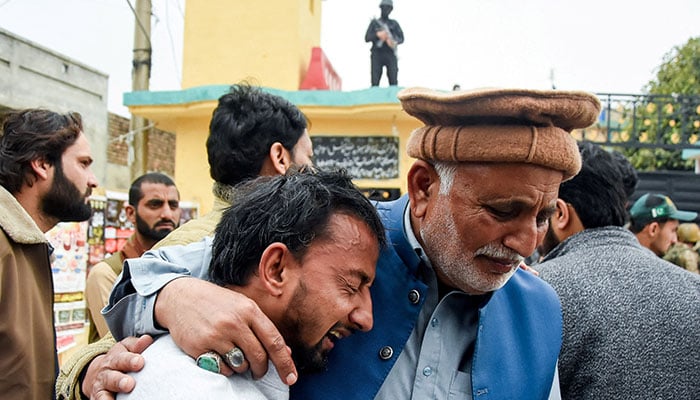
Capital-proximate attacks are strategic, not tactical. The attack near Islamabad was designed to achieve three objectives: One, challenge the authority of the state. Two, fracture Pakistani society. Three, redraw the map of fear.
For the record, terrorists target capitals when they are confident, not desperate. An attack this close to Islamabad signals a high-confidence intelligence failure — where authorities believe they have situational control, yet a complex operation still breaks through.
In such cases, the failure is rarely informational; it is operational — where intelligence exists but authority, coordination or speed of response breaks down.
Should Pakistan react or disrupt? Reaction treats terrorism as an incident rather than a system.
Reaction is acting after blood has been spilt. Reaction is mobilising security after an attack. Reaction is establishing checkpoints after casualties. Reaction, in essence, accepts the attacker’s success as the starting point.
Yes, roadblocks, snap searches, and weapons displays may reassure the public, but will not stop the next attack.
Terrorism is not an event; it is an operating system. A successful attack indicates three failures: One, terrorist logistical networks are intact. Two, terrorist safe houses are functioning. Three, surveillance gaps are exploitable. These enablers, not just the attacker, constitute the threat. Effective counterterrorism, therefore, requires dismantling the support architecture upstream, before violence reaches execution.
Red alert: Counterterrorism succeeds not by responding to attacks, but by making them impossible to plan.
Remember: arrests after attacks don’t restore deterrence; disruption does. Disruption starts by identifying and dismantling urban logistics networks – safe houses, facilitators and couriers. Target what enables terror — financing, movement corridors and communications — not just the foot soldiers. Plus, it quietly raises the cost of planning attacks in urban centres.
Islamabad cannot be treated like any other city. For Islamabad, there should be a unified command across police, intelligence, CTDs and paramilitary units. For Islamabad, there should be mandatory ring-fencing of all major religious sites — entry screening, standoff distance, CCTV analytics.
For Islamabad, there should be real-time intelligence fusion.
Most governments prefer reaction over disruption because disruption is invisible, produces no headlines and offers no immediate political credit. Reaction, by contrast, is performative.
Pakistan must move from reaction because reacting means the attacker has already won the first battle. Remember, reaction manages consequence — disruption manages threats. Remember, reaction manages consequences — disruption eliminates threats.
Originally published in The News