Pakistan assured of continued diesel, jet fuel supplies by Kuwait amid Mideast conflict
In meeting with Kuwaiti envoy, petroleum minister discusses bilateral ties, energy cooperation, and regional developments
Published March 30, 2026
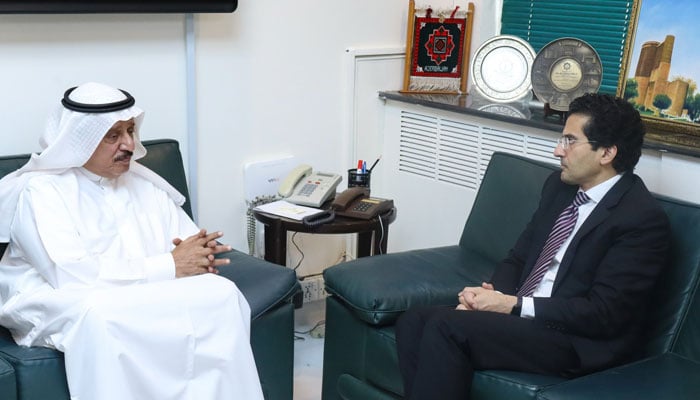
- Pakistan wishes to see brotherly countries remain peaceful: Malik.
- Nassar says Kuwait is proud of Pakistan's efforts for regional peace.
- Iran will allow 20 additional Pakistani vessels through Hormuz: DPM.
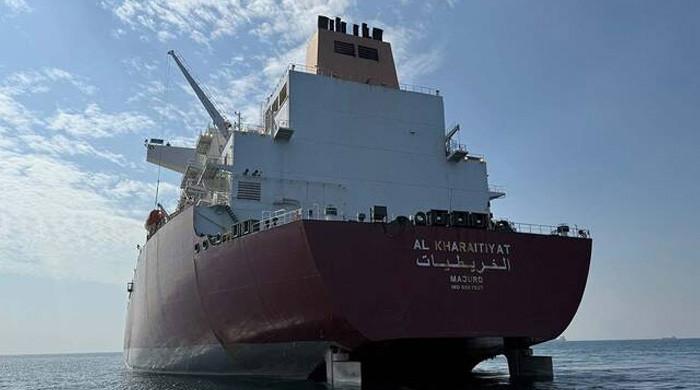
Federal Minister for Petroleum Ali Pervaiz Malik has thanked Kuwait Petroleum Corporation (KPC) for facilitating Pakistani-flagged vessels for any likely lifting of diesel and jet fuel amid global and regional challenges.
Malik met Kuwaiti Ambassador Nassar Abdulrahman Jasser Almutairi on Monday to discuss bilateral ties, energy cooperation, and regional developments.
The meeting came a day after Deputy Prime Minister and Foreign Minister Senator Ishaq Dar announced that Iran will allow 20 additional Pakistani-flagged vessels through the Strait of Hormuz, with two ships crossing daily, calling it a "welcome and constructive gesture" by Tehran.
Iranian threats to attack ships in the strait have kept most oil tankers from attempting the waterway. A few vessels have traversed the strait without issue, including ships under the flags of Pakistan and India, after Iranian assurances of safe passage.
The minister acknowledged Kuwait's continued support for Pakistan and expressed deep appreciation for Kuwait's contribution toward Pakistan's energy security.
He requested Ambassador Nassar to convey his fondest regards to Kuwaiti Minister of Oil Tariq Suleiman Ahmed Al-Roumi, and KPC CEO Sheikh Nawaf Al Sabah.
During the meeting, Malik highlighted the historic and brotherly ties between Pakistan and Kuwait, stating that the relationship between the two countries is not only longstanding but also "connected by hearts".
He noted that for the past five decades, Pakistan has been purchasing petroleum products, particularly diesel, from Kuwait, reflecting the enduring trust and partnership between the two nations.
Diplomacy to ease ME tensions
Speaking on regional peace and stability, the federal minister said that Pakistan wishes to see all brotherly countries remain peaceful and secure.
He emphasised that Prime Minister Shehbaz Sharif is actively working to facilitate the peaceful resolution of conflicts and is personally overseeing efforts to ensure the supply of food and essential commodities to the Gulf Cooperation Council (GCC) countries.
On the diplomatic front, Pakistan has stepped up efforts to help reduce tensions in the region through broader engagement.
A day ago, Islamabad hosted a quadrilateral conference, bringing together the foreign ministers of Pakistan, Saudi Arabia, Turkiye and Egypt to explore ways to de-escalate the Iran conflict.
These efforts come amid attempts to create space for negotiations to end the more than month-long war involving the United States, Israel and Iran, which began on February 28 and has had far-reaching implications across the region.
The Kuwaiti envoy expressed his sincerest gratitude to Pakistan for its constructive role in promoting peace.
He appreciated the efforts of the people, government, and armed forces of Pakistan, noting that Islamabad has demonstrated leadership in rejecting the use of force and in promoting peaceful solutions during difficult times.
He added that Kuwait is proud of Pakistan's efforts and prays for its success. Nassar underscored Kuwait's commitment to supporting Pakistan.
Kuwait envoy praises Pakistan’s constructive role in promoting peace and rejecting force
Pakistan and Kuwait reaffirmed their commitment to further strengthen bilateral relations, particularly in the energy sector, and agreed to remain closely engaged to expand cooperation in areas of mutual interest and shared benefit.