Explainer: What steps are Centre, provinces taking amid energy crisis?
Pakistan rolls out austerity measures, subsidies amid worsening global energy crisis
Published April 06, 2026
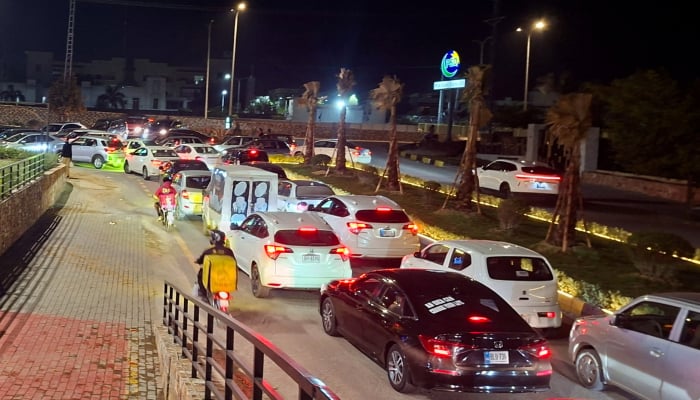
As the US-Israel war on Iran drags on, global energy prices have surged, forcing governments to introduce emergency measures to ease pressure on consumers and conserve fuel.
In Pakistan, the federal government and provinces have rolled out a mix of austerity steps and targeted subsidies, ranging from reduced official spending to direct financial relief for transporters and farmers.
Here's a breakdown of key measures announced by the centre and provinces:
Punjab
Markets, malls, and stores to close at 8pm from April 7.
- Bakeries, restaurants, and food outlets close at 10pm.
- Wedding halls and events to end by 10pm; home celebrations restricted.
- Private offices, banks, gyms, and academies included in curbs.
- Schools hold physical classes only Monday–Thursday.
- Public transport (Orange Line, Metro Bus, Speedo, Green Bus) free.
- Farmers get Rs100 per litre diesel per acre.
- Motorcyclists get Rs100 per 20 litres petrol.
- Punjab Assembly members’ allowances cut by 25% for 2 months.
- 70% of Punjab Assembly official vehicles off-road.
Sindh
- Rs2,000 subsidy for each registered motorcyclist for April.
- Farmers with land up to 25 acres set to receive Rs1,500 per acre for one month.
- Transporters will receive monthly financial assistance.
- Intra-city transport will get Rs240,000 per month.
- Wagons will receive Rs230,000, and pick-up vans up to Rs60,000.
- Buses will receive up to Rs1.2 million per month depending on route.
- Public transport fees frozen.
- Two-axle trucks to get Rs70,000 per month.
- Heavy trucks to get Rs80,000 per month.
- Fuel allocations for official vehicles cut by 50% for two months.
Centre
- Petrol price reduced to Rs378/litre; diesel adjusted; Rs80 petroleum levy cut.
- 50% staff to work from home (except essential services).
- Four working days a week (banks, industries, and agriculture exempt).
- Complete ban on official dinners.
- Meetings to be held via online/video link where possible.
- 50% cut in fuel quota for the public sector (two months).
- Ambulances and public buses are exempt from fuel cuts.
- 60% reduction in government office transport usage.
- 20% cut in government expenditure (excluding salaries).
- Ban on the purchase of vehicles, ACs, and other equipment.
- Federal cabinet to forgo salaries for the next two months (implemented from March).
- 25% salary cut for Members of Parliament.
- Two-day salary deduction for officers above Grade 20.
- Petrol levy reduced by Rs80 per litre for one month.
- Pakistan Railways to absorb costs so that passenger and freight fares are not increased.
- Quarterly 25% toll tax increase withdrawn.
- All public transport to remain free for 30 days in Islamabad.
KP
- Markets and shopping centres in divisional HQs to close by 9pm.
- Markets and commercial areas in other districts to shut by 8pm.
- Restaurants, cafes, and eateries to close by 10pm.
- Home delivery and takeaway services are allowed to continue.
- Marriage halls, marquees, and events to end by 10pm.
- Private offices, banks, academies, and gyms are included in curbs.
- Hospitals, labs, and emergency services are exempt from restrictions.
- Medical stores open 24 hours for medicines only.
- Tandoors, petrol pumps, and public transport have been given limited exemptions.
- Industrial units and factories are allowed to operate with limits.
- Ban on decorative, flood lighting at buildings and events.
- Markets are instructed to use only essential lighting.
- Billboards, LED screens, and signboards to remain switched off.
- Restrictions on ACs, lifts, and escalators after business hours.
- Generators banned for non-essential commercial use.
- Govt offices to enforce strict energy-saving measures.
- Non-essential office work after hours is prohibited.
Balochistan
- Markets and shopping centres to close by 8pm.
- Pharmacies, tandoors, and nanbais exempted from closure timings.
- Marriage and banquet halls to end events by 10pm.
- Wedding functions in hotels, and restaurants to conclude by 10pm.
- Restaurants and hotels directed to shut by 10pm.
- Unauthorised users ordered to return official vehicles.
- Action ordered against those refusing to return vehicles.
- Audit of vehicles; fuel only for verified vehicles.
- Approval to auction pre-2005 vehicles in phases.
- Ban on use of official vehicles after office hours.
- Trackers to be installed; inter-province use banned.