Trump revived public benefits rule for green card: Here's everything to know
Trump administration revives rule to deny green cards to immigrants who use public benefits
Published July 21, 2026
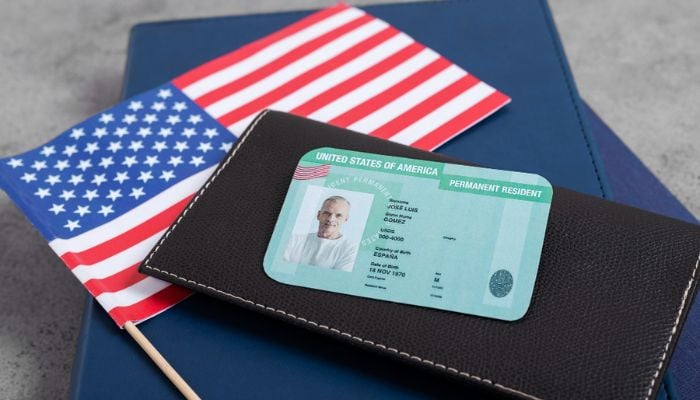
Trump is reintroducing a controversial policy that will make it even harder for immigrants who use or are deemed likely to use public benefits, including food stamps, Medicaid, and housing vouchers, to obtain green cards.
The final rule announced on Monday, July 20, empowers immigration officers to consider a wider array of public assistance programs when determining whether green card applicants will likely become “public charges”, a factor in the evaluation. This revokes a 2022 Biden-era rule that exempted non-cash benefits from consideration.
The Department of Homeland Security said: “This final rule is intended to help ensure that those seeking permanent residence are able to support themselves and are not likely to become primarily dependent on public assistance.”
“We are reaffirming the requirement of self-reliance, protecting public resources, and ending policies that encouraged depending on hard-working American taxpayers,” the department added.
Approximately 588,000 individuals undergo public charge tests every year. Traditionally, immigration officers considered only monetary benefits, such as Temporary Assistance for Needy Families and Supplemental Security Income, when conducting these evaluations.
The new regulation is broader in scope than a similar one introduced by the Trump administration back in 2020, but was later on revoked by the Biden administration the next year. Critics referred to the previous regulation as a "wealth test" because it mostly applied to poor people.
As per DHS estimations, about 950,000 people may opt to leave or not enroll in six public benefits programs, including Medicaid and food stamps. The rule takes effect from September 18.