US moves to fast-track air taxis, supersonic flights: Here's what's changing
FAA's pilot program on eVTOLs involves eight companies across 26 states
Published July 21, 2026
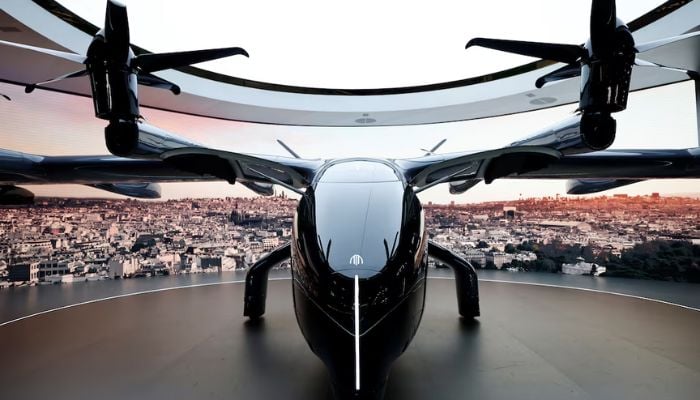
Flying taxis and supersonic passenger planes could soon move closer to becoming reality in the United States as regulators race to modernise decades-old aviation rules.
The next-generation aviation technologies, including electric air taxis, supersonic aircraft, commercial space and expanded drone operation could soon become a new normal in the United States (U.S.) as the country's aviation regulator says it is working to speed up the process of their release.
Speaking at the Farnborough International Airshow, the Federal Aviation Administration (FAA) Deputy Administrator Chris Rocheleau said the agency was working tirelessly to remove the regulatory hurdles such as certifications and regulations to pace up innovation.
He advised the companies to focus on innovation and developing new technologies while the FAA focuses on creating safety standards without being a hindrance to their operations.
Earlier, the FAA launched a pilot program focused on the development and testing of electric vertical takeoff and landing aircraft (eVTOLs). The spokesperson said that the data from the pilot program involving eight companies across 26 states will help certify the aircraft for commercial use.
The air taxis are expected to be rolled out for the public gradually, starting from major cities and then expanding nationwide.
The agency is also trying to revive commercial supersonic travel for the first time since Concorde was retired in 2003. Current U.S. rules largely prohibit civilian aircraft from flying faster than the speed of sound over land because of sonic booms.
The FAA has already proposed one new regulation and plans to introduce another covering aircraft noise standards, with both expected to be completed by mid-2027.