Solar eclipse sends hotel prices soaring as millions chase rare spectacle
Another total solar eclipse is scheduled to occur across southern Spain in 2027
Published August 12, 2026
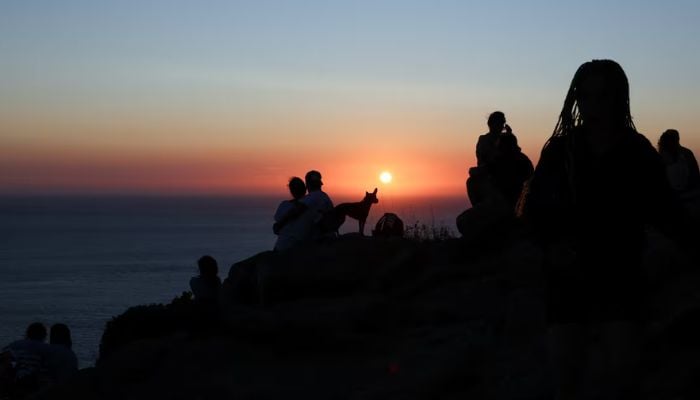
Millions of tourists flocked to Spain and Iceland to view a rare total solar eclipse; the influx of tourists drove the price of hotel accommodations through the roof, as each tourist competed to get to the prime viewing locations before the sun went black.
On Wednesday, August 12, a total solar eclipse occurred for the first time in 27 years over Europe. The path of totality traversed portions of northern Spain and all of Iceland, which made the eclipse a major draw for tourists.
Prior to the eclipse, Spanish authorities estimated that upwards of six million tourists would visit areas along the path of the eclipse; mostly located in Northern Spain and the Balearics.
Tourists visiting caused a major boon for hotels within those regions. Hotel rates skyrocketed in cities and towns where tourists wanted to experience the very brief (less than three minutes) period of complete darkness.
- Hotels in A Coruna saw their rates increase by 135% over last year at this time, averaging approximately $451/night.
- Hotels in Bilbao experienced a rate hike of 67%,
- Hotels in Santiago de Compostela averaged 34% above last year's rates.
Rates for hotels in Iceland increased exponentially. During the eclipse viewing period, hotel rooms in Reykjavik averaged in excess of $1,000 per night.
Tourist demand for hotels wasn't the only item being consumed. Thousands of tourists descended upon Iceland purchasing every pair of eclipse glasses they could find prior to witnessing the extremely rare occurrence.
Authorities in Spain deployed tens of thousands of police officers and emergency responders due to concerns about extreme heat and high fire danger levels.
In addition to this week's event, another total solar eclipse is scheduled to occur across southern Spain in 2027. Combined with an upcoming annular eclipse occurring in 2028, this will create what is referred to as the "Iberian Eclipse Trio.”