Human brain changes course twice in adult life: First at 24, then after 60
Researchers found that neurons in younger and middle-aged adults showed well-coordinated 24-hour rhythms
Published September 24, 2026
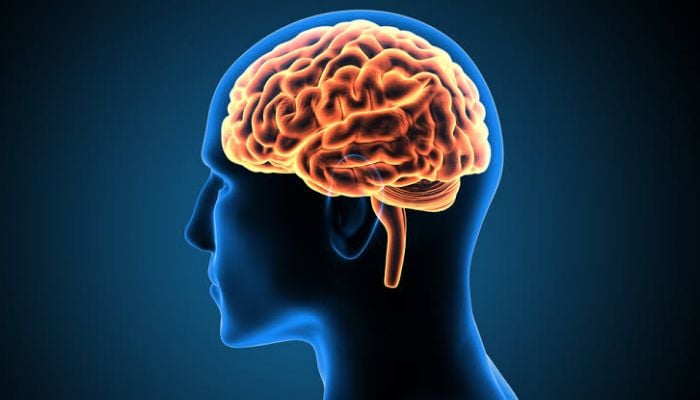
Turning 18 might legally make you an adult, but your brain apparently has a little more growing up to do.
Scientists have mapped how cells in the human prefrontal cortex change across an entire lifetime and found an interesting turning point at around age 24. After that, things become surprisingly quiet.
Researchers analysed more than 1.3 million cell nuclei taken from the brains of 284 people ranging from infancy to 97 years old.
The biggest changes happened while the brain was developing. But around 24, the cellular makeup of the prefrontal cortex: the area involved in planning, decision-making and other complex tasks, largely settled down. That stability continued through much of adult life.
Then, sometime after 60, the pattern changed again. Researchers found a fresh wave of molecular activity, particularly among glial cells. These are the cells that support and protect neurons and help with functions including immune responses in the brain.
The changes seen later in life involved inflammation, cellular stress and even the brain's internal clock.
Researchers found that neurons in younger and middle-aged adults showed well-coordinated 24-hour rhythms. After 60, those rhythms became less pronounced, while some immune-related cells developed new rhythmic activity. That doesn't mean your brain suddenly deteriorates when you blow out 60 candles. Nor does the study suggest everyone’s brain follows exactly the same timetable.
The ages are better understood as points where researchers saw broader patterns changing across the samples they studied.
What makes the findings useful is what they could eventually tell scientists about disease. Genes linked to schizophrenia and bipolar disorder were more active during early development, while Alzheimer's-associated genes were seen predominantly in aging glial cells.
So rather than a brain that simply grows up and then steadily gets older, the picture emerging is more complicated. There is intense change early on, decades of relative stability, and then another period of biological change later in life.