Can AI get pregnant? Virtual singer's maternity leave announcement sparks online frenzy
The announcement quickly went viral and was seen over 78 million times
Published October 23, 2026
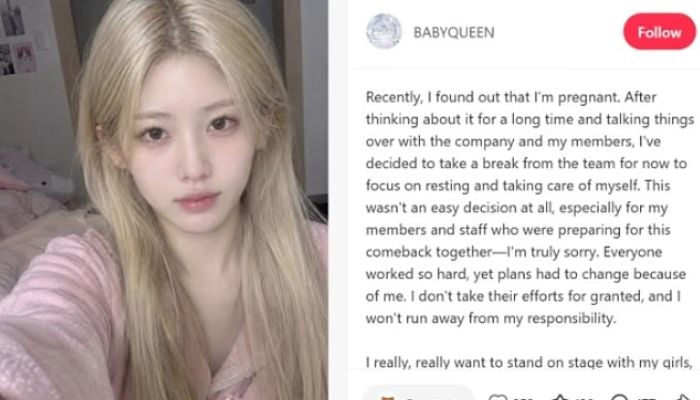
An artificial intelligence-generated singer has sparked widespread confusion after announcing she was pregnant and taking maternity leave from a Chinese pop group, despite not being a real person.
The virtual performer, named Mity, belongs to BABYQUEEN, an AI-generated girl group inspired by South Korean K-pop bands.
In a statement shared on Chinese social media platform Xiaohongshu, also known as RedNote, Mity announced she was expecting a baby and would temporarily suspend her activities to focus on rest and recovery.
But there was one rather obvious problem: Mity exists entirely as a computer-generated character.
The announcement quickly went viral, with the controversy reportedly attracting more than 78 million views on Chinese social media platform Weibo.
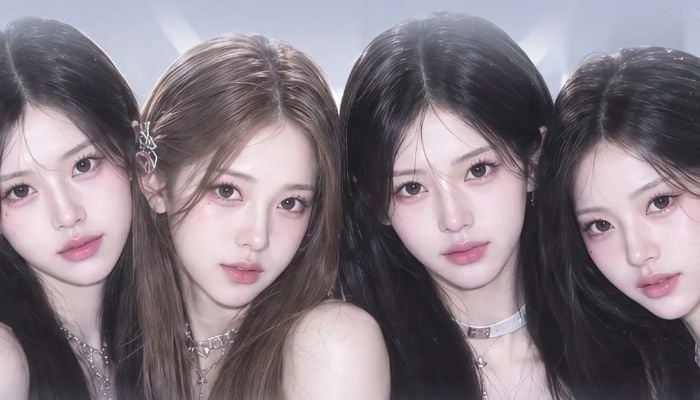
Some users jokingly questioned who the baby's father could be, while others wondered whether an AI-generated singer could claim maternity benefits.
However, the story took another unexpected turn when the group's creators admitted that the pregnancy was entirely fictional.
According to Chinese news outlet Sixth Tone, the creators explained that maintaining multiple AI personalities had become exhausting, prompting them to invent a pregnancy storyline to temporarily remove one member.
The creators, who described themselves as students with a passion for K-pop, said they had not earned any money from the project.
The unusual announcement also attracted criticism from social media users who accused the creators of trivialising pregnancy and childbirth for online attention.
Interestingly, BABYQUEEN's fictional management company suggested Mity could eventually return as an actress or even become a maternity and baby-product influencer.
The controversy highlights how AI-generated entertainers are increasingly blurring the boundaries between fictional personalities and real-world celebrity culture.