Jeff Bezos' $25M Earth fund could help protect Tuna beyond national borders
Conservation group Rare is receiving funding to support the Office of the Pacific Ocean Commissioner
Published October 01, 2026
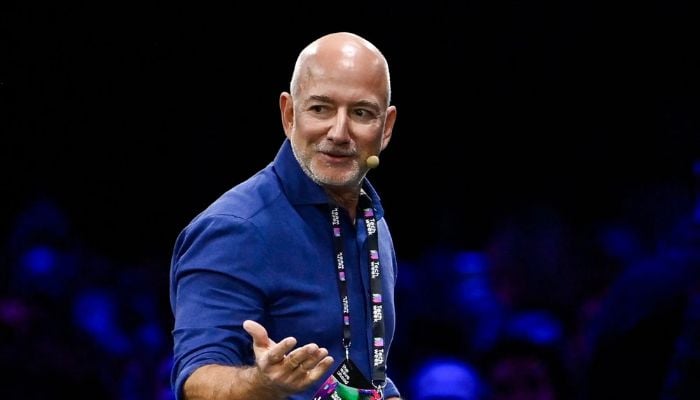
Jeff Bezos is putting another $25 million into protecting the Pacific Ocean, but some of that money is heading somewhere conservation has traditionally struggled to reach waters that belong to no single country.
The Bezos Earth Fund announced six grants covering work in the Cook Islands, Kiribati, Papua New Guinea, Tonga and Vanuatu. Together, the projects are expected to support conservation across more than 625,000 square miles of ocean.
But buried in the announcement is a different experiment. One of the grants will support Pacific governments as they identify connected areas of the high seas that could eventually become protected under the UN High Seas Treaty.
The treaty only entered into force in January 2026. Until then, countries could protect waters under their own control, but conserving biodiversity far beyond national boundaries was much harder. That matters particularly in the Pacific because fish and other marine animals don't stop at lines drawn on a map.
Tuna and humpback whales, for example, move between national waters and the high seas during their lives. Protecting them in one place while leaving another part of their route exposed can only go so far.
For Pacific countries, tuna is especially important. The region contains some of the world's most productive tuna fisheries, making ocean management an economic and food-security issue as much as an environmental one.
Conservation group Rare is receiving funding to support the Office of the Pacific Ocean Commissioner as governments work on potential high-seas protection proposals. There isn't a protected area to point to yet.
In fact, Rare's Rocky Sanchez Tirona acknowledged that countries are still figuring out how the new system should work.