Cat food research finds lead in 99% of products, heavy metals widespread
Cat foods finds heavy metals, pesticides, and plastic chemicals in nearly all products
Published October 02, 2026
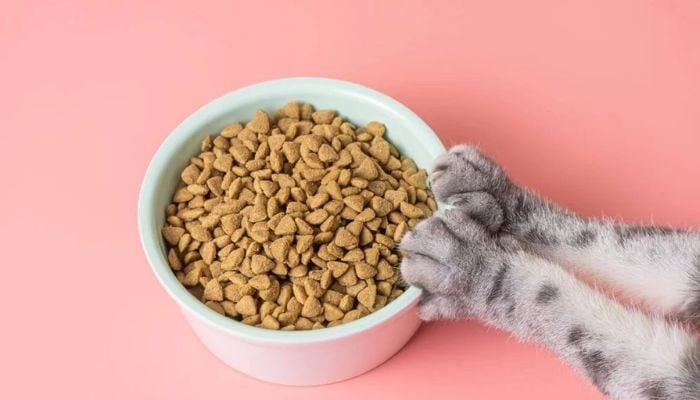
A new investigation has found that nearly all tested cat foods contain toxic heavy metals, pesticides, and plastic chemicals, raising concerns about the long-term health of pets that eat the same products daily.
The study was conducted by the Clean Label Project, which is a Colorado non-profit that tests consumer products. The research examined 100 top-selling cat foods across 62 brands for more than 122 contaminants.
Lead was detected in 99% of products, cadmium in 96% and arsenic in 94%, as per the report released Friday, October 2. Contamination varied sharply by food type and protein source.
Dry car food contained roughly three times more lead than wet or air-dried products. Fish and sea-based products had roughly 18 times more mercury overall, with wet seafood products containing nearly 28 times as much mercury as wet foods made with other meats, especially poultry.
Report’s author Molly Hamilton said: “Most cats eat the same foods nearly every day, with little variation. The contaminants are an ongoing exposure that may accumulate in cats’ bodies over their lifetimes.”
Moreover, the study also tested for glyphosate, agriculture’s most widely used herbicide, found in 37% of products. Cat foods with more plant ingredients near the top of the label had higher glyphosate levels.
DEHP, a plastic chemical associated with cancer and birth defects, appeared in about half of products, with the highest levels in canned and pouched foods. Nearly 85% of poultry-based foods met the group’s purity standard, compared with just 25.7% of fish and seafood products.
The Pet Food Institute, which represents manufacturers, said its members implement comprehensive food safety and quality assurance programs, and that owners “should feel confident” in the safety of pet food.
Experts advised owners to vary their cat’s diet, favour wet or air-dried food over dry, and contact manufacturers about contaminant testing.