Daylight saving time ends Nov 1: Here's when to change your clocks
Senate has limited window to ‘Lock the Clock’ before time change
Published October 06, 2026
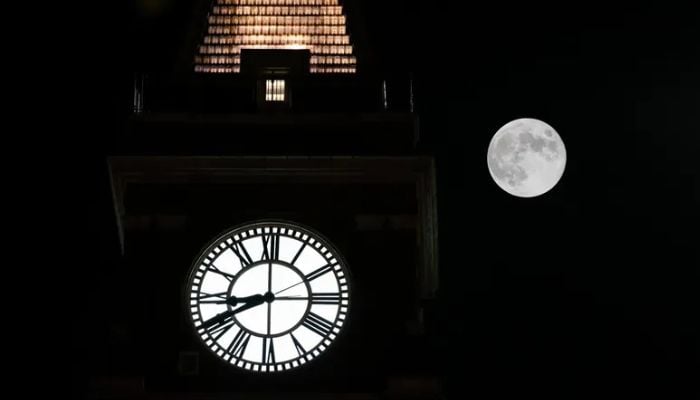
Americans will “fall back” one hour at 2:00 a.m. on Sunday, November 1, 2026, ending daylight saving time and returning the country to standard time, unless Congress acts first.
The change indicates an extra hour of sleep between midnight and dawn, but earlier sunsets in the evening.
Most phones and internet-connected devices update automatically; however, manual clocks, appliances, and older vehicles will need to be changed by hand.
The U.S. House passed the Sunshine Protection Act of 2025 on July 14 by a vote of 308-117, sending it to the Senate, where it has yet to advance.
If enacted, the bill would make daylight saving time permanent nationwide. U.S. President Donald Trump supports the decision, arguing that changing clocks twice a year is “foolish, inconvenient and, in some cases, very costly.”
In the past, President Richard Nixon signed the Emergency Daylight Saving Time Energy Conservation Act amid an oil crisis, launching a two-year trial of permanent DST beginning January 6, 1974.
But darker winter mornings led to early-morning traffic accidents, including eight child deaths in Florida within a month. Public support collapsed from 79% in December 1973 to 42% by February 1974.
Congress ended the experiment early, and the U.S. returned to standard time on October 27, 1974.
Under current law, daylight saving time returns on March 14, 2027.