Orionid meteor shower peaks this week: Everything to know
Halley’s comet debris to light up skies in Orionid meteor shower
Published October 16, 2026
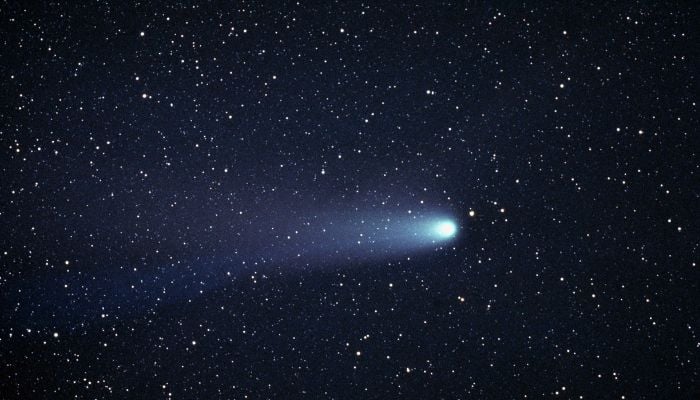
There is great news for stargazers as the Orionid meteor shower reaches its peak between October 21 and October 22. This annual shower occurs between October 2 and November 7, and it is unique in that its meteors are parts of the famous Halley's Comet that passes the Earth once every 75 to 76 years.
The rate of observation under perfect conditions is about 15 to 20 meteors per hour. Meteors of this shower are very fast and bright and travel at a speed of approximately 66 kilometres per second and may leave glowing trains in their wake.
These meteors seem to come from the vicinity of the star called Betelgeuse in the constellation of Orion; however, they can come from any place in the sky. In order to watch them, one should go to a dark place away from city lights and let the eyes adjust to the darkness. There is no need for any particular instruments to observe this natural phenomenon.
In 2014, a waxing gibbous moon could obscure some fainter meteors on the night of maximum activity. Nonetheless, the moon will set early in the morning, thus giving almost three hours of completely dark conditions to watch the meteors before dawn.
Halley's Comet was seen in 1986 and will not come again until 2061; therefore, this shower is a good opportunity to see the dust of one of the most renowned comets ever. The Orionid shower has been known since at least 585 A.D., as it was witnessed by the Chinese and Japanese.