ECP issues poll schedule for Islamabad's two Senate seats
FATA's polling plan yet to be issued as president has not approved Elections Act 2017 for tribal areas
Published February 04, 2018
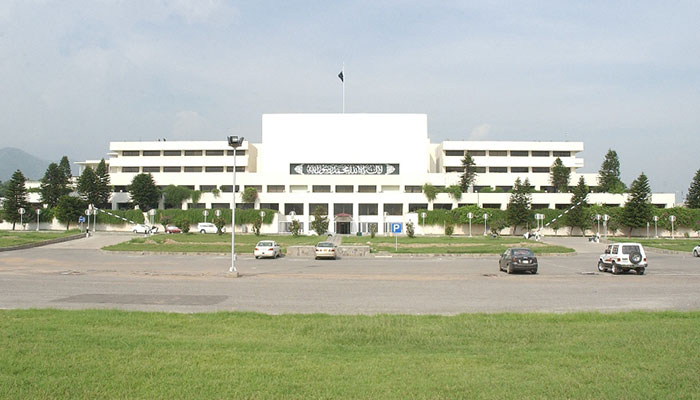
ISLAMABAD: The Election Commission of Pakistan (ECP) issued on Sunday the polling schedule for the two Senate seats from Islamabad.
The announcement followed approval of the polling scheme by President Mamnoon Hussain.
The Senate elections will be held on March 3 as 52 members of the Upper House of Parliament retire on March 11.
According to the ECP schedule for the capital, nomination papers can be taken by February 10 while their scrutiny will be conducted on February 13.
Appeals against the returning officer’s decision can be filed until February 16. The National Assembly elects the two Senate members from Islamabad.
The ECP is yet to issue the schedule for the elections of senators from the tribal areas as the president has not approved for FATA the Elections Act, 2017.
Moreover, the local ECP offices in the provinces were open today as contestants collected nomination papers for the Senate polls.
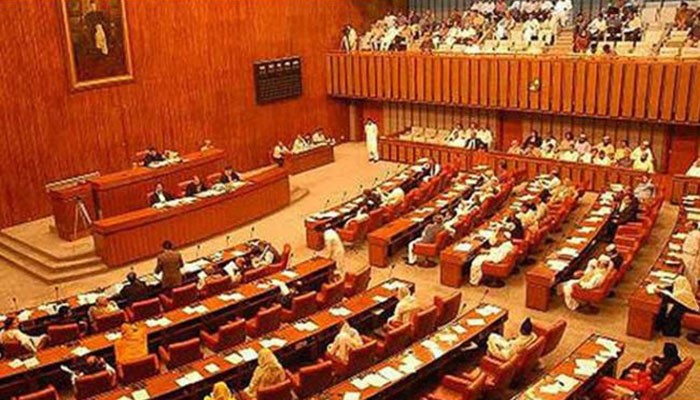

Earlier, on Friday, the ECP issued the election schedule of all four provinces.
According to the ECP, nomination papers can be submitted from February 4-6 and their scrutiny will be completed by February 9. The final list of the contestants will be issued on February 15 while contestants can take back their nomination papers till February 16.
According to the ECP, four senators will be elected on general seats from FATA, 11 from Khyber Pakhtunkhwa and Balochistan each, and 12 each from Sindh and Punjab — including seven on general seats, two on technocrats' seats, two on women's seats and one on a minorities' seat.
Islamabad too will elect two senators — on general and technocrat seats.
Raza Rabbani, Ishaq Dar among those retiring
Senate Chairman Raza Rabbani, Opposition Leader Aitzaz Ahsan, Taj Haider and Farhatullah Babar are among 18 of 26 Pakistan Peoples Party senators who will be retiring.
Similarly, from the ruling Pakistan Muslim League-Nawaz, nine of its 27 senators will be retiring this year. They include senior party leader and former finance minister Ishaq Dar, who has been in London on medical grounds since October last year while a corruption case is under way against him in the accountability court.
The Awami National Party will lose five of its six senators, including party veteran Ilyas Bilour and Karachi-based Shahi Syed.
Similarly, the Muttahida Qaumi Movement-Pakistan will bid farewell to four of its eight senators, including Col (retd) Tahir Mashhadi, Nasreen Jalil and Dr Farogh Naseem.
The four PML-Quaid senators retiring this year include Mushahid Hussain Sayed — the head of the Senate Defence Committee.
The Jamiat Ulema-i-Islam-Fazl will see three of its five senators leave.
Azam Swati of the Pakistan Tehreek-e-Insaf (PTI) is the party's only senator who will be retiring in March and will leave behind six colleagues. The PTI is expected to gain more seats in the Senate due to its majority position in the KP Assembly.
The process, the numbers
The Senate consists of a total of 104 members — 23 each from the four provinces, eight from FATA and four from Islamabad Capital Territory. The 23 seats of each province break down into 14 general seats, four each for women and technocrats and one for minorities.
While the total term for a senator is six years, half of the Senate retires after every three years.
The Senate elections depend on the party positions in the provincial assemblies as well as the National Assembly.
Four of the provincial assemblies vote for their representatives, whereas the FATA senators are elected by the MNAs from the tribal areas and the Islamabad senators by the National Assembly.
A person seeking election to the Senate should not be less than thirty years of age and should be registered as a voter in an area or province from where he or she seeks election and should meet other qualifications prescribed under Article 62 of the Constitution.