Geminid meteor shower peaks tonight: Here's everything you need to know
Dark skies expected to enhance Geminid meteor shower viewing
Published December 13, 2025
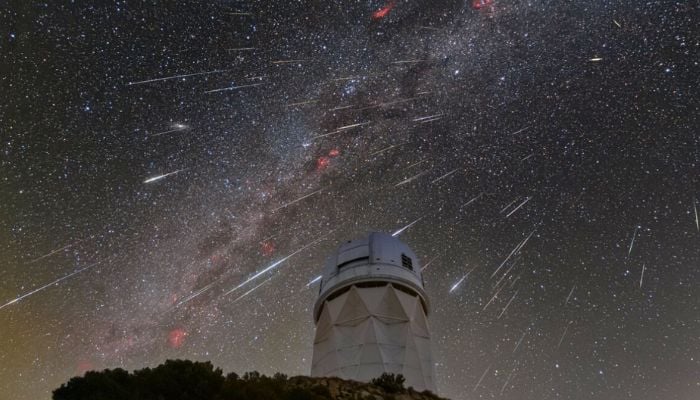
Skywatchers are preparing for one of nature’s most reliable light shows as the Geminid meteor shower peaks overnight on December 13-14.
Astronomers predict a striking display this year, with up to 100-150 meteors per hour visible under ideal dark-sky conditions.
This Geminid annual shower is considered as one of the most spectacular in the celestial calendar, originating from the rocky asteroid 3200 Phaethon instead of a typical icy comet.
The debris produces bright, fast-moving streaks with glowing green, yellow, or blue as various elements burn up in Earth’s atmosphere.
Viewing conditions for Geminid meteor shower
Moonlight is considered as one of the most common hindrances to watching meteor showers, however, it will be minimal this year.
A waning crescent Moon won’t rise until after 2:00 a.m. in many locations, providing several hours of dark sky beforehand.
But clear weather is essential and not guaranteed.
In the UK, forecasts predict windy and cloudy conditions with outbreaks of rain during the peak nights.
The best chances for breaks in the cloud may come in northern Scotland, East Anglia, and parts of southeast England.
How to watch Geminid meteor shower
To watch the meteor shower, no special equipment is needed. It is a naked-eye event. For the best experience:
- Find a dark location away from light pollution.
- Allow 20-30 minutes for eyes to adjust to darkness.
- Look toward the constellation Gemini, which rises in the east after sunset, but keep a wide field of view.
- Dress warmly and consider a reclining chair or blanket for comfort.
In which areas will the Geminid meteor shower be visible?
The Geminid shower is visible worldwide, with the northern Hemisphere enjoying the best views.
Peak activity is expected after 10:00 p.m. local time, with the highest rates around 2:00 a.m.