Silicon Valley summit 2025: Humanoids take spotlight for real-world capabilities
Humanoid robots are intended for homes, hospitals, warehouses, and offices
December 15, 2025
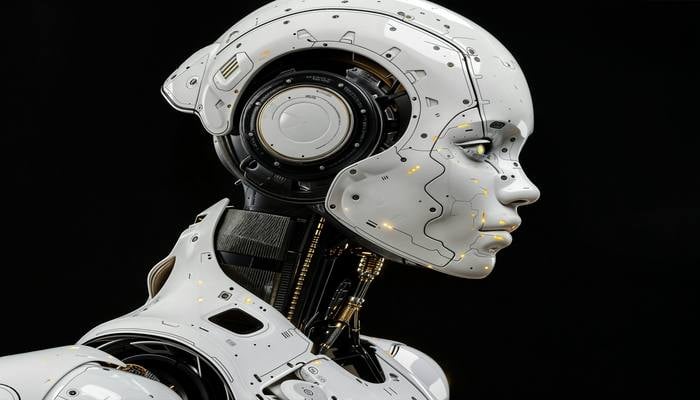
Silicon Valley's recently held tech summit proved a hit, offering a spectacle of humanoid robots that remained a focal point of the exhibition held earlier this week.
The jaw-dropping presence of humanoids outlined their transition from experimental labs to real-world applications.
During the event, technology companies, robotics startups, and AI researchers showcased humanoid robots capable of walking, holding objects, responding to voice commands, and navigating complex environments.
The demonstrations illustrated how advancements in AI models, sensors, and mechanical design are interacting to accelerate the development of robots that can operate in spaces designed for humans. Industry leaders emphasised humanoid robots' crucial role in automation.
What sets humaoids from standard robots functioning in controlled factory settings is that they are intended for homes, hospitals, warehouses, and offices, to minimise manpower and require minimal infrastructure changes.
Their utmost versatility makes them suitable for various tasks, including elder care, logistics, and disaster response.
Recent developments in large language models and computer vision have enhanced robots' ability to understand instructions and adapt to new situations.
The most intriguing part is that instead of rigid programming, modern humanoid systems can learn from observation, interpret spoken language, and make real-time decisions. This incredible set of abilities brings them closer to becoming general-purpose assistants
Notwithstanding the current, mind-blowing extent of advancements, experts are pointing out challenges in power efficiency, safety, affordability, and reliability of humanoids.
Other serious concerns under discussion involve ethical considerations like workforce displacement and regulations surrounding machines that closely mimic human behaviour.