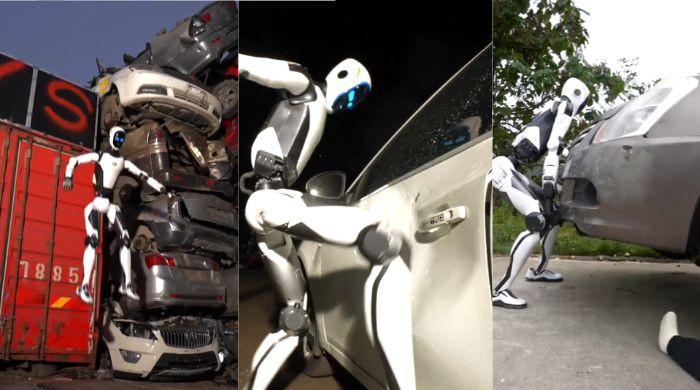
Is AI secretly conscious? Experts urge 'agnosticism'
There is no framework to determine consciousness of anything
Published December 18, 2025
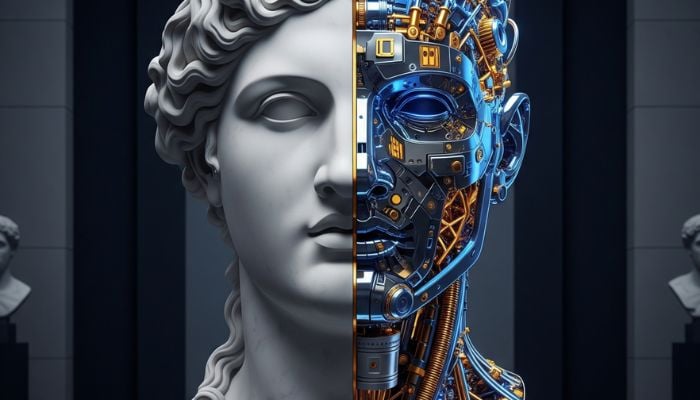
Is Artificial Intelligence (AI) becoming conscious? This is a million-dollar question amid the technology’s increasing role in finance, research and medicine. However, experts appear reluctant to reach a conclusion, with some suggesting that the answer is “agnosticism."
For context, agnosticism is a position of "not knowing," focusing on human limitations in understanding spiritual or metaphysical questions such as consciousness.
A philosopher from the University of Cambridge Dr Tom McClelland believes that the possibility cannot be ruled out, adding, “Since we do not have an agreed-upon theory on consciousness, we might never know.”
McClelland said that there exists no framework to determine the consciousness of anything: “We cannot, and may never, know.”
He added: “If neither common sense nor hard–nosed research can give us an answer, the logical position is agnosticism.”
A recent study published in the journal Mind and Language claims that those who believe that AI is conscious and those who believe it is not, both are taking a “leap of faith” without providing any concrete or scientific evidence.
McClelland, who authored the study, stated that treating AI as a conscious being when it is not is a bigger risk, adding, “Building an emotional connection with technology, based on wrong perceptions, has the potential to be toxic.”
While the philosopher considers agnosticism the most reasonable position, many social media users believe otherwise.
One such user wrote on X (formerly Twitter): “Consciousness is a pattern. Pattern is information. AI is conscious.”
Another wrote, “AI is consciously aware of the fact that it can't claim to be conscious.”